If your sex drive has dropped, you’re not alone. Low libido is one of the most common concerns men bring up with doctors—and one of the most frustrating to deal with.
The problem? Most advice online either dismisses it as “normal aging” or tries to sell you something without addressing the root cause.
The reality is more nuanced. Low libido has many potential causes, and the solution depends entirely on what’s actually driving it. This guide breaks down the 12 most common causes and what you can do about each one.
What’s “Normal” Anyway?
First, let’s acknowledge something important: libido varies wildly from person to person.
There’s no “normal” level of sex drive. What matters is whether YOUR current level bothers you or affects your relationship. If you used to want sex 4 times a week and now you’re fine with once a month—and you’re happy with that change—there’s no problem to fix.
But if you’ve noticed a significant drop and it’s causing distress, read on.
The 12 Most Common Causes of Low Libido in Men
1. Low Testosterone
This is the one most men think of first, and it’s a legitimate cause—but not the only one.
How it works: Testosterone drives sexual desire in men. When levels drop below a certain threshold (different for everyone), libido often follows.
Signs it might be T-related:
- Libido drop happened gradually over months or years
- Accompanied by fatigue, muscle loss, or brain fog
- Morning erections less frequent
- Get tested to confirm
What helps: If bloodwork confirms low T, options include lifestyle changes, natural supplements, or medical treatment. See our testosterone guide for details.
2. Chronic Stress
Stress is libido’s silent killer—and most men underestimate its impact.
How it works: Stress triggers cortisol release, which suppresses testosterone and puts your body in “survival mode.” Evolutionarily, this makes sense: when you’re running from a predator, reproduction isn’t the priority. But chronic stress keeps you in that state indefinitely.
Signs it might be stress-related:
- Libido fluctuates based on work/life pressure
- Mind races during sex, can’t relax
- General anxiety or feeling “on edge”
- Sleep problems
What helps: Stress management isn’t optional here—it’s the treatment. Exercise, meditation, therapy, setting boundaries, and addressing the source of stress directly all matter more than any supplement.
3. Poor Sleep
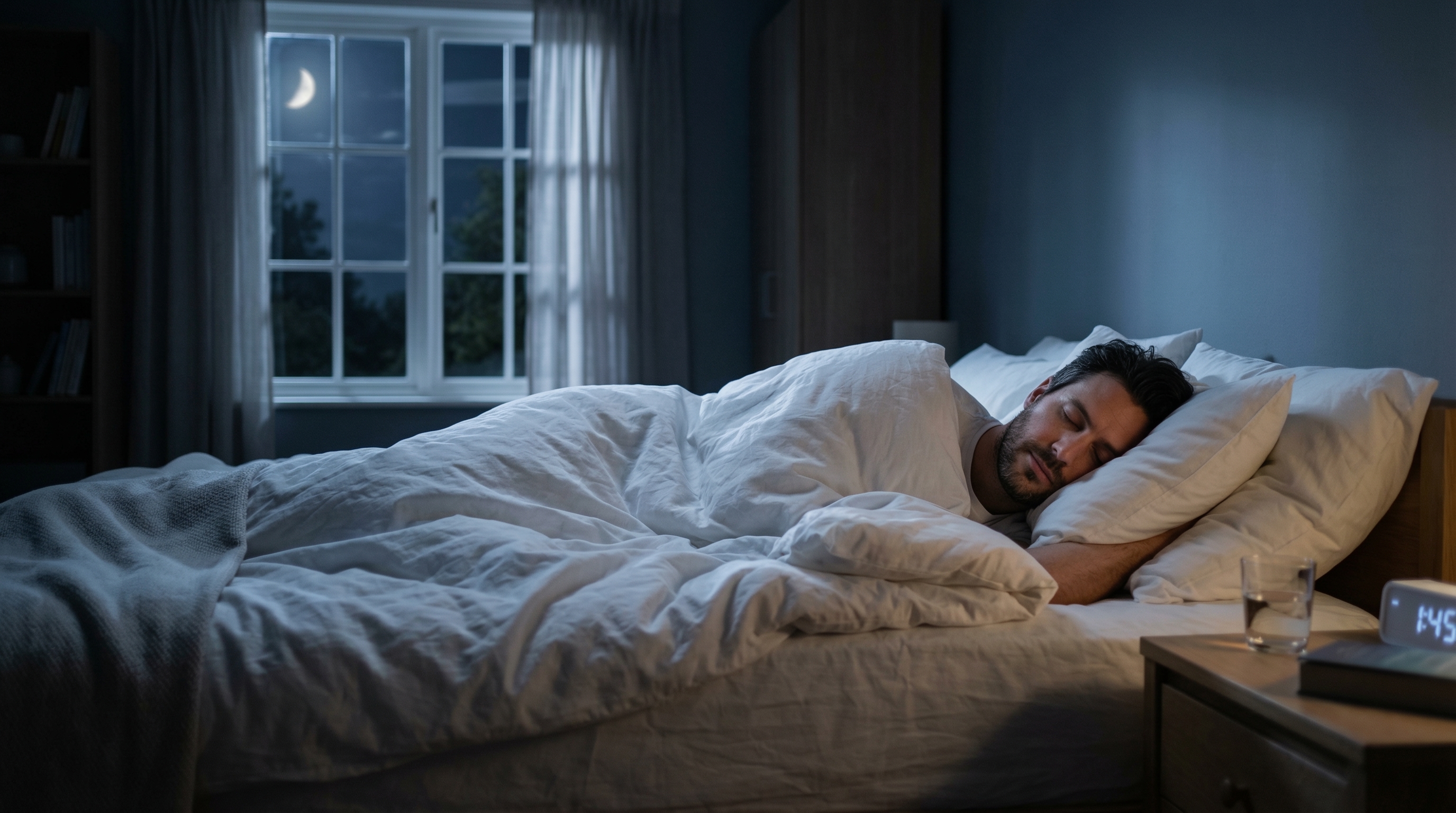
Sleep deprivation tanks testosterone and increases stress hormones. Even one week of restricted sleep (5 hours/night) can drop T levels by 10-15%.
Signs it might be sleep-related:
- You’re tired during the day
- You snore or wake up gasping (possible sleep apnea)
- Inconsistent sleep schedule
- Screens before bed
What helps: Prioritize 7-8 hours of quality sleep. Fix your sleep environment (dark, cool, quiet), establish a consistent schedule, and address sleep disorders like apnea. See our sleep optimization guide.
4. Depression and Mental Health
Depression often manifests as low libido before other symptoms appear. The numbness, lack of interest, and reduced pleasure extend to sex.
The complication: Many antidepressants (especially SSRIs) also reduce libido as a side effect. So treating depression can sometimes make the libido issue worse before it gets better.
Signs it might be depression:
- Lost interest in things you used to enjoy (not just sex)
- Persistent sadness, emptiness, or irritability
- Changes in appetite or sleep
- Difficulty concentrating
What helps: Talk to a mental health professional. If medication is needed, some antidepressants (like bupropion) have less sexual side effects than others. Therapy (CBT, mindfulness) can address root causes without medication.
5. Medications
Several common medications list low libido as a side effect:
| Medication Type | Examples | Libido Impact |
|---|---|---|
| Antidepressants | Prozac, Zoloft, Lexapro | High risk |
| Blood pressure meds | Beta blockers, some diuretics | Moderate risk |
| Antihistamines | Some allergy meds | Low-moderate risk |
| Acid reducers | Proton pump inhibitors | Possible |
| Finasteride | Hair loss drug | Can be significant |
What helps: Don’t stop medications on your own. Talk to your doctor about alternatives. Sometimes a dosage adjustment or different medication in the same class solves the issue.
6. Relationship Issues
Sometimes the problem isn’t hormonal or psychological—it’s relational.
How it works: Unresolved conflict, lack of emotional connection, poor communication, or mismatched expectations can all kill desire. For many men, sexual desire is tied to feeling close to their partner.
Signs it might be relationship-related:
- Libido is fine with masturbation but not with partner
- Recent conflicts or distance in relationship
- You’re avoiding intimacy
- Sex feels transactional or routine
What helps: This requires honest conversation—ideally with a couples therapist. Addressing underlying relationship issues often does more for libido than any supplement or medication.
7. Alcohol and Substance Use
Alcohol is a double-edged sword: it can lower inhibitions in the moment, but chronic use suppresses testosterone and sexual function.
Signs it might be substance-related:
- You drink daily or heavily
- Performance issues when drinking
- Dependency on substances to relax
- Morning erections rare after drinking
What helps: Reduce alcohol intake. Even cutting back from daily to a few times per week can improve testosterone and libido within weeks.
8. Obesity and Metabolic Health
Excess body fat, especially around the midsection, is associated with lower testosterone and higher estrogen in men. Fat tissue contains aromatase, an enzyme that converts testosterone to estrogen.
Signs it might be metabolic:
- Waist size > 40 inches
- High blood pressure or blood sugar
- Family history of diabetes
- Low energy, difficulty losing weight
What helps: Weight loss is the most effective intervention here. Even losing 5-10% of body weight can improve hormonal balance. Focus on resistance training and reducing processed foods.
9. Thyroid Issues
Both underactive (hypothyroidism) and overactive (hyperthyroidism) thyroid can affect libido, though for different reasons.
Signs it might be thyroid-related:
- Fatigue (hypothyroid) or anxiety (hyperthyroid)
- Weight changes unrelated to diet
- Temperature sensitivity
- Hair or skin changes
What helps: Ask your doctor for a thyroid panel (TSH, free T3, free T4). Treatment depends on whether thyroid is over or underactive.
10. Pornography and Dopamine
This is controversial, but emerging research suggests that frequent pornography use may desensitize the brain’s reward system and reduce interest in real sexual encounters.
Signs it might be porn-related:
- Libido for real partners is low, but porn use is high
- Need for more extreme content to feel aroused
- Difficulty getting aroused without porn
- Performance issues with real partners
What helps: A “dopamine reset”—taking a break from porn and masturbation for 2-4 weeks—can help resensitize the brain’s reward system. Many men report significant improvements in libido and sexual function after doing this.
11. Nutrient Deficiencies
Certain nutrients are essential for testosterone production and sexual function:
| Nutrient | Role | Food Sources |
|---|---|---|
| Zinc | T production, sperm health | Oysters, beef, pumpkin seeds |
| Vitamin D | Hormone precursor | Sunlight, fatty fish, supplements |
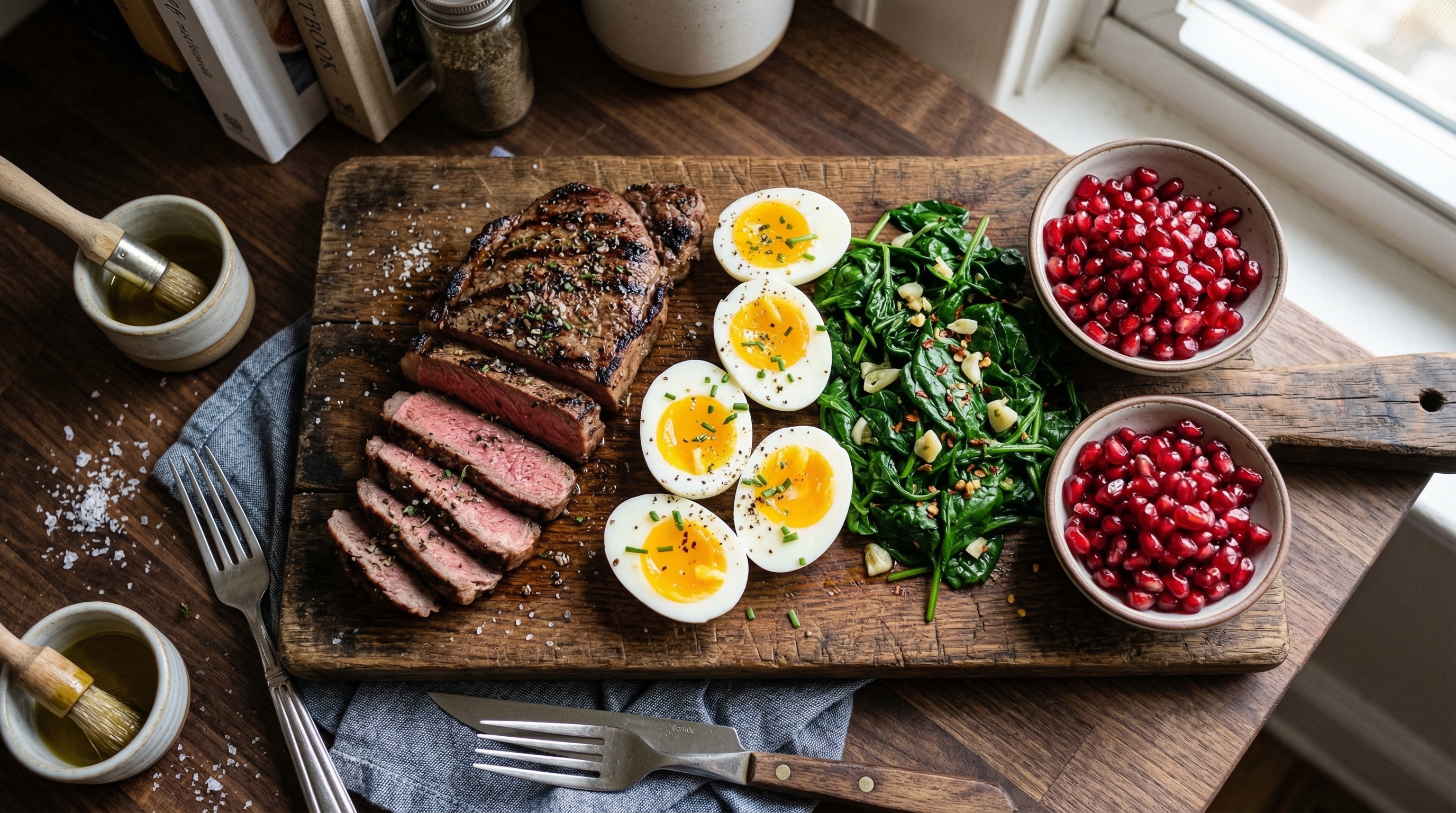
| Magnesium | T production, stress management | Dark chocolate, nuts, spinach |
| B vitamins | Energy, nerve function | Meat, eggs, leafy greens |
Signs it might be deficiency-related:
- Poor diet overall
- Limited sun exposure
- Digestive issues (can impair absorption)
- Other deficiency symptoms (fatigue, weakness)
What helps: A blood test can identify deficiencies. Supplement only what you need—more isn’t better.
12. Aging
Some decline in libido with age is normal. Testosterone drops about 1% per year after age 30. But “normal aging” shouldn’t mean zero libido.
The key distinction: If you’re 55 and have less drive than you did at 25, that’s expected. If you’re 55 and have NO drive, that’s worth investigating.
What Actually Helps (Based on the Cause)
Here’s the honest truth: there’s no universal solution for low libido. The right approach depends on what’s causing YOUR specific situation.
Quick Decision Guide:
- Get bloodwork first. Testosterone, thyroid, vitamin D, zinc. Rule out physiological causes.
- Check your medications. Talk to your doctor about alternatives if side effects are an issue.
- Look at your lifestyle. Sleep, stress, alcohol, diet—all affect libido.
- Evaluate your mental health. Depression and anxiety often manifest as low desire.
- Assess your relationship. Emotional connection matters for sexual desire.
- Consider your habits. Porn use, masturbation frequency, and how you’re spending your time.
What Usually Doesn’t Help:
- Random testosterone boosters without knowing your levels
- “Male enhancement” pills (most are ineffective or unsafe)
- Ignoring the problem and hoping it goes away
- Comparing yourself to others
What Usually Does Help:
- Addressing the root cause (not just the symptom)
- Lifestyle changes: sleep, exercise, stress management
- Open communication with your partner
- Medical evaluation when needed
- Patience—libido recovery takes time
When to See a Doctor
Make an appointment if:
- Sudden, dramatic drop in libido (not gradual)
- Accompanied by other symptoms (pain, lumps, changes in urination)
- Blood test shows very low testosterone (<300 ng/dL)
- Depression or anxiety symptoms present
- Relationship issues that counseling hasn’t helped
- Nothing you’ve tried on your own has worked
The Bottom Line
Low libido is a symptom, not a condition. The key is figuring out what’s causing it for YOU specifically.
Start with the basics: sleep, stress, diet, and bloodwork. Address relationship issues honestly. Be skeptical of quick fixes. And if lifestyle changes don’t help, see a doctor.
Most men can improve their libido—but it requires addressing the root cause, not just popping pills.
Related Articles:
- How to Get Your Testosterone Tested
- Signs of Low Testosterone
- How to Increase Testosterone Naturally
This article is for informational purposes only and does not constitute medical advice. Always consult with a healthcare provider for persistent concerns about sexual health.