Sleep Optimization Guide: How to Finally Get Restful Sleep
The Sleep Crisis Nobody Talks About
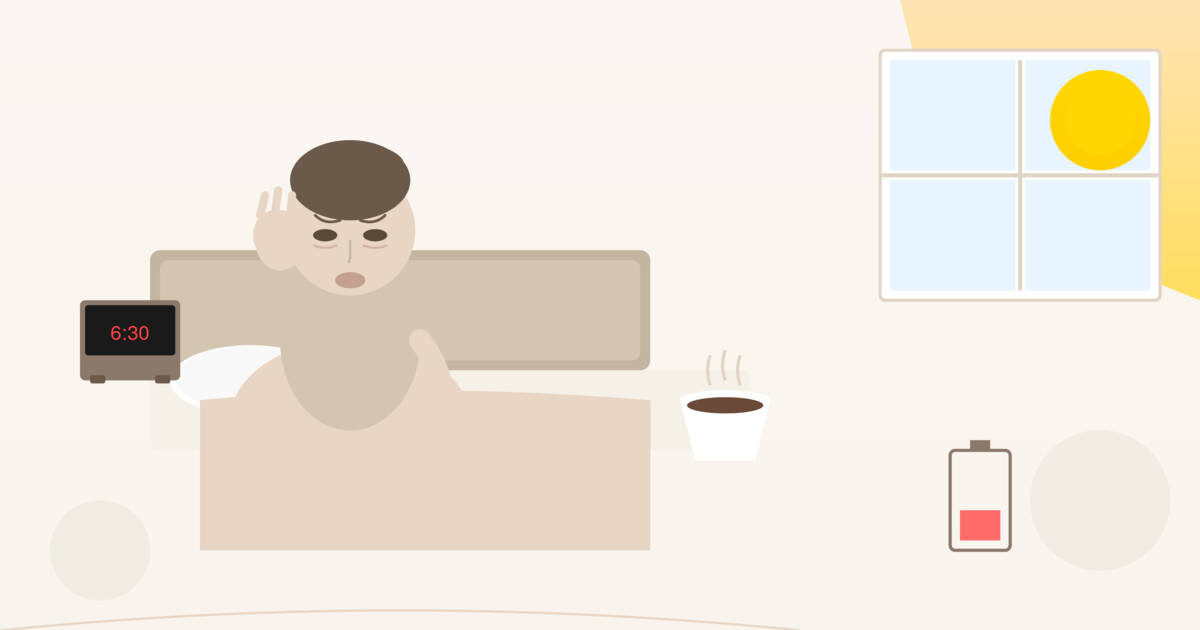
You wake up tired. You drag yourself through the day. You reach for coffee, energy drinks, or sugary snacks just to stay awake. Then, ironically, when bedtime rolls around, you can’t fall asleep.
Sound familiar?
You’re not alone. According to the CDC, 1 in 3 adults don’t get enough sleep. But here’s what’s really concerning: most people have no idea why they’re sleeping poorly—or that the solution might be simpler than they think.
After years of research and personal experimentation, I’ve discovered that sleep optimization isn’t about buying an expensive mattress or taking sleeping pills. It’s about understanding the science of sleep and making targeted changes that address the root causes of poor sleep.
In this comprehensive guide, I’ll walk you through everything you need to know about optimizing your sleep, including:
- Why sleep matters (beyond just “feeling tired”)
- 7 hidden reasons you’re not sleeping well
- Science-backed strategies to improve sleep quality
- Products and supplements that actually help
Let’s dive in.
Why Sleep Matters: The Science of Rest
Before we fix your sleep, you need to understand why it’s so important. Sleep isn’t just “rest”—it’s an active process that affects every system in your body.
The 5 Stages of Sleep
Your sleep cycles through 5 stages, each with a specific function:
Stage 1-2 (Light Sleep): Your brain transitions from wakefulness to sleep. Heart rate slows, body temperature drops, and muscles relax.
Stage 3-4 (Deep Sleep): This is where the magic happens. Your body releases growth hormone, repairs tissues, and strengthens your immune system. Deep sleep is essential for physical recovery.
Stage 5 (REM Sleep): Rapid Eye Movement sleep is when you dream. Your brain processes emotions, consolidates memories, and “cleans house” mentally.
A full sleep cycle takes about 90 minutes. You need 4-6 complete cycles per night for optimal health.
What Happens When You Don’t Sleep
Night 1 of poor sleep:
- Cognitive decline equivalent to a 0.1% blood alcohol level
- Reduced reaction time and focus
- Increased appetite (15-20% more calories consumed)
Week 1 of poor sleep:
- Testosterone drops 10-15% (in men)
- Cortisol (stress hormone) increases significantly
- Immune function decreases
- Insulin sensitivity drops (pre-diabetic state)
Month 1+ of chronic poor sleep:
- Increased risk of heart disease, stroke, and diabetes
- Accelerated aging and cognitive decline
- Weight gain and muscle loss
- Mood disorders (anxiety, depression)
The consequences of poor sleep compound over time. That’s why fixing your sleep isn’t optional—it’s essential.
7 Hidden Reasons You’re Not Sleeping Well
Most people blame their mattress, their partner’s snoring, or “just getting older.” But the real culprits are often things you haven’t considered.
1. Circadian Rhythm Disruption
Your body has an internal clock that regulates sleep-wake cycles. This clock is controlled by light exposure—specifically, the contrast between bright light during the day and darkness at night.
The problem: Modern life destroys this natural rhythm. We spend our days in dim offices and our nights staring at bright screens. This confuses your brain about when to be awake and when to sleep.
The science: Blue light from screens suppresses melatonin production by up to 50%. Even brief exposure (15 minutes) can delay sleep by 30-60 minutes.
The fix:
- Get bright light exposure within 30 minutes of waking (go outside or use a light box)
- Dim lights 2 hours before bed
- Avoid screens 1 hour before bed, or use blue light blocking glasses
- Keep your bedroom completely dark (blackout curtains, no LED lights)
2. Temperature Imbalance
Your body temperature needs to drop 1-2°F to initiate and maintain sleep. This temperature drop is a biological signal that triggers sleepiness.
The problem: Most people sleep in rooms that are too warm. Modern bedding and mattresses can also trap heat, preventing the natural cooling process.
The science: Studies show the optimal bedroom temperature is 65-68°F (18-20°C). Temperatures above 75°F significantly reduce sleep quality and REM sleep.
The fix:
- Set your thermostat to 67°F for sleep
- Use breathable, moisture-wicking bedding
- Take a warm bath 1-2 hours before bed (the subsequent cooling triggers sleepiness)
- Consider a cooling mattress pad or breathable mattress
3. Hidden Stimulants
Caffeine is obvious, but there are many other stimulants that might be sabotaging your sleep.
The problem: Caffeine has a half-life of 5-6 hours. That 2pm coffee? Half of it is still in your system at 8pm. Other hidden stimulants include chocolate, certain medications, and even some supplements.
The science: Caffeine blocks adenosine receptors. Adenosine is the chemical that builds up during the day and makes you feel sleepy. Even if you can fall asleep with caffeine in your system, it reduces deep sleep by 10-25%.
The fix:
- Stop caffeine consumption by 12pm (or earlier if you’re sensitive)
- Check medications for sleep-interfering ingredients
- Be aware that decaf coffee still contains 2-15mg of caffeine
- Watch for hidden caffeine in chocolate, tea, and energy bars
4. Stress and Cortisol
Cortisol and melatonin have an inverse relationship. When cortisol is high, melatonin is low. Chronic stress keeps cortisol elevated, making it nearly impossible to fall asleep.
The problem: Modern life is stressful. Work pressure, financial worries, relationship issues—all of these keep your nervous system in “fight or flight” mode.
The science: Studies show that people with chronic insomnia have 24-hour cortisol levels that are significantly higher than good sleepers. This creates a vicious cycle: stress causes poor sleep, poor sleep increases stress.
The fix:
- Practice a relaxation technique before bed (meditation, deep breathing, progressive muscle relaxation)
- Write down your worries in a journal to “offload” them from your mind
- Consider adaptogenic herbs like ashwagandha, which reduce cortisol (see our Testosil review for more on ashwagandha’s benefits)
- Exercise regularly, but not within 3 hours of bedtime
5. Nutrient Deficiencies
Several nutrients are essential for sleep, and most people are deficient in at least one of them.
The problem: Modern diets are often lacking in key sleep-supporting nutrients. Additionally, certain medications and health conditions can impair absorption.
Key sleep nutrients:
| Nutrient | Role in Sleep | Food Sources |
|---|---|---|
| Magnesium | Regulates melatonin, relaxes muscles | Dark leafy greens, nuts, seeds |
| Zinc | Supports melatonin production | Oysters, beef, pumpkin seeds |
| Vitamin D | Regulates circadian rhythm | Sunlight, fatty fish, fortified foods |
| B6 | Converts tryptophan to serotonin/melatonin | Poultry, fish, potatoes |
| Iron | Transports oxygen, prevents restless legs | Red meat, beans, spinach |
The fix:
- Eat a nutrient-dense diet with plenty of whole foods
- Consider a high-quality multivitamin
- Get your levels tested if you suspect deficiencies
- For hormone-related sleep issues, check out our HGH vs Testosterone guide to understand how hormones affect sleep
6. Poor Sleep Environment
Your bedroom environment plays a crucial role in sleep quality. Many people unknowingly create environments that interfere with sleep.
The problems:
- Light pollution from streetlights, electronics, or nightlights
- Noise from traffic, neighbors, or household members
- Uncomfortable bedding or pillow
- Clutter and visual chaos
- Using the bedroom for work or entertainment
The science: Even small amounts of light during sleep can disrupt melatonin production and sleep architecture. Noise pollution, even at levels that don’t wake you, can shift you from deep to light sleep.
The fix:
- Use blackout curtains or a sleep mask
- Use earplugs or a white noise machine
- Invest in a quality mattress and pillows
- Keep your bedroom cool, dark, and quiet
- Reserve the bed for sleep and intimacy only
7. Hormonal Imbalances
Hormones regulate nearly every aspect of sleep, from initiation to architecture. As we age, hormonal changes can significantly impact sleep quality.
The problem: Declining testosterone (in men) and changing estrogen/progesterone (in women) can cause sleep disturbances. Growth hormone deficiency also affects deep sleep.
The science:
- Low testosterone is linked to insomnia and sleep apnea
- Growth hormone is primarily released during deep sleep; low GH means less deep sleep
- Cortisol dysregulation (from chronic stress) disrupts sleep-wake cycles
The fix:
- Get your hormones tested if you suspect imbalances
- Address lifestyle factors that affect hormones (stress, diet, exercise)
- Consider natural hormone support supplements
- Read our article on signs of low testosterone to see if hormone imbalance might be affecting your sleep
Sleep Optimization Strategies: What Actually Works
Now that you understand the causes, let’s talk solutions. These strategies are backed by research and have helped thousands of people improve their sleep.
Strategy 1: Establish a Sleep Schedule
This is the single most effective sleep optimization strategy.
How to do it:
- Choose a consistent wake time (7 days a week)
- Count backward 7.5-9 hours to determine your bedtime
- Stick to this schedule even on weekends (variation of no more than 30 minutes)
Why it works: Your circadian rhythm thrives on consistency. Regular sleep times train your body to feel sleepy at the right time and wake up naturally.
Strategy 2: Create a Wind-Down Routine
Your brain needs a transition period between wakefulness and sleep.
Sample routine:
- 60 minutes before bed: Dim lights, avoid screens
- 45 minutes before bed: Take a warm bath or shower
- 30 minutes before bed: Read a physical book or practice gentle stretching
- 15 minutes before bed: Practice relaxation technique (meditation, breathing exercises)
- Bedtime: Lights out, same time every night
Why it works: A consistent routine creates a psychological association between these activities and sleep, making it easier to fall asleep.
Strategy 3: Optimize Light Exposure
Light is the primary regulator of your circadian rhythm.
Morning (within 30 minutes of waking):
- Get outside for 10-30 minutes of natural light
- If it’s dark, use a 10,000 lux light box
- Open curtains and let light into your space
Evening (2 hours before bed):
- Dim all lights in your home
- Use warm, amber-colored light bulbs
- Avoid screens or use blue light blocking glasses
Why it works: Bright light in the morning sets your circadian clock, while dim light in the evening signals your body to produce melatonin.
Strategy 4: Exercise at the Right Time
Exercise improves sleep quality, but timing matters.
Best timing:
- Morning or early afternoon exercise: Improves sleep quality
- Late afternoon exercise (4-6pm): Also effective for most people
- Evening exercise (within 3 hours of bed): May interfere with sleep in some people
Why it works: Exercise increases adenosine (the sleep pressure chemical) and reduces cortisol. But it also temporarily increases alertness and body temperature, which is why late exercise can be problematic.
Strategy 5: Watch What You Eat and Drink
Your diet affects your sleep in multiple ways.
Foods that help sleep:
- Complex carbohydrates (promote tryptophan uptake)
- Tart cherry juice (natural melatonin)
- Kiwi fruit (linked to better sleep in studies)
- Fatty fish (omega-3s and vitamin D)
- Nuts and seeds (magnesium)
Foods to avoid:
- Heavy meals within 3 hours of bed
- Spicy foods (can cause heartburn)
- High-sugar foods (blood sugar fluctuations)
- Alcohol (reduces sleep quality by 39%)
Strategy 6: Manage Your Mind
Racing thoughts are one of the most common causes of poor sleep.
Techniques to try:
- Brain dump: Write down everything on your mind before bed
- 4-7-8 breathing: Inhale for 4, hold for 7, exhale for 8
- Progressive muscle relaxation: Tense and relax each muscle group
- Cognitive shuffling: Think of random words that don’t form sentences
Why it works: These techniques shift your nervous system from “fight or flight” to “rest and digest” mode.
Sleep-Supporting Products and Supplements
Sometimes lifestyle changes aren’t enough. Here are products and supplements that can help.
Supplements for Better Sleep
Magnesium Glycinate (200-400mg before bed) Magnesium is the most common sleep-related deficiency. Glycinate is the best-absorbed form and has a calming effect.
L-Theanine (100-200mg before bed) An amino acid found in tea that promotes relaxation without sedation. It increases alpha brain waves, associated with calm alertness.
Glycine (3g before bed) An amino acid that lowers body temperature and improves sleep quality. Studies show it helps people fall asleep faster and reach deep sleep sooner.
Melatonin (0.5-3mg, 30-60 minutes before bed) Use only for circadian rhythm issues (jet lag, shift work). Avoid high doses (>5mg) which can cause grogginess and suppress natural production.
Hormone Support for Better Sleep
If hormonal imbalances are contributing to your sleep problems, natural hormone support supplements may help.
GenF20 Plus is designed to support natural HGH production, which is crucial for deep sleep. As we covered in our HGH vs Testosterone guide, growth hormone is primarily released during deep sleep, and low HGH can create a vicious cycle of poor sleep.
Learn more about GenF20 Plus →
Testosil contains KSM-66 Ashwagandha, which has been shown to reduce cortisol by 27.9% and improve sleep quality. High cortisol is one of the biggest enemies of good sleep, and ashwagandha directly addresses this issue.
Sleep Environment Products
Blackout Curtains: Essential for blocking light pollution. Look for curtains that block 99%+ of light.
White Noise Machine: Masks disruptive sounds. Alternatively, use a fan or a white noise app.
Weighted Blanket: Provides deep pressure stimulation that reduces anxiety and improves sleep quality. Look for 10-15% of your body weight.
Cooling Mattress Pad: Helps maintain optimal sleep temperature, especially for hot sleepers.
Your 7-Day Sleep Optimization Plan
Ready to transform your sleep? Here’s a week-by-week plan to implement these strategies.
Days 1-3: Foundation
- Set a consistent wake time (don’t worry about bedtime yet)
- Get 15-30 minutes of morning light
- Stop caffeine by 12pm
- Create a dark, cool bedroom environment
Days 4-5: Add the Routine
- Establish a wind-down routine
- Stop screens 1 hour before bed
- Add a relaxation technique
- Take magnesium before bed
Days 6-7: Fine-Tune
- Set a consistent bedtime
- Evaluate and adjust based on results
- Consider adding supplements if needed
- Track your sleep quality
Common Sleep Problems and Solutions
”I can’t fall asleep”
Likely causes: Anxiety, circadian rhythm disruption, late caffeine Solutions: Earlier caffeine cutoff, relaxation techniques, consistent schedule, morning light
”I wake up in the middle of the night”
Likely causes: Blood sugar fluctuations, alcohol, sleep apnea, stress Solutions: Avoid alcohol, eat a small protein snack before bed, rule out sleep apnea
”I wake up tired no matter how much I sleep”
Likely causes: Poor sleep quality, sleep apnea, hormone imbalances Solutions: Get checked for sleep apnea, optimize sleep environment, check hormone levels
”My mind won’t shut off”
Likely causes: Stress, anxiety, no wind-down routine Solutions: Brain dump journaling, cognitive shuffling, relaxation techniques
The Connection Between Sleep and Weight Loss
Poor sleep is one of the most overlooked factors in weight gain. As we discussed in our article on why you can’t lose weight, sleep deprivation:
- Increases hunger hormones (ghrelin) by 15%
- Decreases fullness hormones (leptin) by 15%
- Increases cravings for high-calorie foods
- Reduces willpower and decision-making ability
- Impairs insulin sensitivity, promoting fat storage
If you’re struggling to lose weight despite diet and exercise, your sleep might be the missing piece.
Sleep Optimization and Testosterone
For men, sleep is especially critical for testosterone production. As covered in our sleep and testosterone article, just one week of sleeping 5 hours per night can lower testosterone by 10-15%.
During deep sleep, your body produces the majority of its daily testosterone. Poor sleep means less deep sleep, which means less testosterone production. This creates another vicious cycle: low testosterone can cause poor sleep, and poor sleep lowers testosterone.
For natural testosterone support, check out our guide on natural ways to boost testosterone.
Final Thoughts: Sleep Is Not Optional
We live in a culture that celebrates hustle and demonizes rest. But here’s the truth: sleep is not a luxury—it’s a biological necessity.
You can’t “catch up” on sleep during the weekend. You can’t “power through” chronic sleep deprivation without consequences. And you certainly can’t reach your full potential—in health, career, or relationships—without quality sleep.
The strategies in this guide are backed by science and proven by experience. They work. But they only work if you implement them.
Start tonight. Pick one or two strategies and commit to them for a week. Then add more. Your future, well-rested self will thank you.
Frequently Asked Questions
Q: How much sleep do I actually need? A: Most adults need 7-9 hours per night. Some people function fine on 6.5 hours, while others need 9+. The key is waking up naturally without an alarm and feeling rested.
Q: Is it okay to “catch up” on sleep during weekends? A: Not really. Sleeping in on weekends disrupts your circadian rhythm, making Monday morning harder. It’s better to maintain a consistent schedule.
Q: Do sleep trackers help? A: They can provide useful data, but don’t obsess over the numbers. How you feel is more important than what your tracker says.
Q: What about napping? A: Short naps (20-30 minutes) can be restorative. Long naps or late naps can interfere with nighttime sleep.
Q: How long until I see results? A: Most people notice improvements within 3-7 days of implementing these strategies. Full benefits may take 2-4 weeks as your circadian rhythm resets.
About The Best Offers Around: We research and review the best products and strategies for health optimization. Our recommendations are based on science, not marketing hype. We only recommend products we believe in.
Disclaimer: This article is for informational purposes only and does not constitute medical advice. Always consult with a healthcare professional before making changes to your health routine or taking supplements.