Signs of Low Testosterone: How to Boost T Naturally
You wake up tired. Your workouts feel pointless. Sex is the last thing on your mind. And that spare tire around your waist? It won’t budge no matter what you do.
These aren’t just “getting older.” They’re the classic signs of low testosterone—and they affect millions of men.
The truth: Testosterone levels in men have been dropping for decades. Studies show the average man today has significantly less testosterone than his grandfather did at the same age. By age 45, up to 40% of men have clinically low testosterone.
But here’s the good news: low testosterone is treatable. And you don’t need prescriptions or injections to fix it.
In this comprehensive guide, you’ll discover:
- 10 clear signs your testosterone is low
- The root causes behind declining T levels
- Natural strategies to boost testosterone without drugs
- The best supplements that actually work (backed by science)
If you’re ready to reclaim your energy, libido, and drive, let’s dive in.
What Is Testosterone and Why Does It Matter?
Testosterone is the primary male sex hormone, but it’s so much more than that. It’s essentially the “fountain of youth” hormone for men.
Testosterone controls:
- Muscle mass and strength
- Bone density
- Sex drive and erectile function
- Energy levels and motivation
- Fat distribution
- Red blood cell production
- Mood and mental clarity
- Sperm production
When testosterone is optimal, you feel like a man should—strong, energetic, confident, and sexually vital. When it’s low, everything suffers.
Normal testosterone levels:
- Total testosterone: 300-1,000 ng/dL
- Free testosterone: 9-30 ng/dL (this is the active form your body uses)
If you’re below 300 ng/dL, you have clinically low testosterone. But here’s the catch: many men with “normal” levels (300-400 ng/dL) still experience symptoms because their levels used to be much higher. It’s all relative to YOUR baseline.
10 Signs Your Testosterone Is Low
1. Your Sex Drive Vanished
This is usually the first and most obvious sign. Testosterone is the fuel for male libido. When it drops, your interest in sex disappears.
What it looks like:
- You rarely think about sex
- Your partner initiates almost everything
- You make excuses to avoid intimacy
- Pornography doesn’t arouse you
- You’ve lost your “sexual appetite”
The science: Testosterone receptors in the brain drive sexual desire. Lower T means fewer signals firing. In studies, men with low testosterone report 3x less sexual activity than men with normal levels.
Related: VigRX Plus Review - Natural male enhancement for low libido
2. Erectile Dysfunction
It’s not just about desire—it’s about performance. Low testosterone can make it difficult to achieve or maintain erections, even when you want to.
What it looks like:
- Trouble getting hard
- Erections that fade during sex
- Morning erections are rare or weak
- Need more stimulation than before
- Erections aren’t as firm
The science: Testosterone is essential for the nitric oxide pathway that creates erections. Low T means less nitric oxide, which means weaker erections. It also affects the tissues in the penis itself, leading to atrophy over time.
Note: ED can also be caused by cardiovascular issues, diabetes, or medications. Always consult a doctor if ED is sudden or severe.
3. You Can’t Build or Keep Muscle
You’re hitting the gym, eating protein, and getting sleep—but your muscles won’t grow. Or worse, they’re shrinking despite your efforts.
What it looks like:
- Training hard with no visible results
- Getting weaker in the gym
- Muscles look “soft” or flat
- Longer recovery times after workouts
- Muscle loss even while training
The science: Testosterone is the primary anabolic hormone for muscle growth. It increases protein synthesis, activates satellite cells (muscle stem cells), and inhibits muscle breakdown. Without adequate T, muscle growth becomes nearly impossible.
Related: Natural Testosterone Boosters 2026 - Top supplements for muscle and strength
4. Increased Body Fat (Especially Belly Fat)
That beer belly isn’t just from beer. Low testosterone causes your body to store more fat, particularly around the midsection.
What it looks like:
- Gaining weight despite diet/exercise
- Fat accumulating around your waist
- “Man boobs” (gynecomastia)
- Harder to lose weight
- Softer, less defined physique
The science: Testosterone regulates fat metabolism and inhibits fat storage. When T is low, your body becomes more efficient at storing fat and less efficient at burning it. Low T also increases aromatase activity, which converts testosterone to estrogen, promoting fat storage in feminine patterns.
Related: Foods That Kill Metabolism - Avoid these to protect testosterone
5. Chronic Fatigue and Low Energy
Not just “tired after a long day”—this is bone-deep exhaustion that doesn’t improve with rest.
What it looks like:
- Waking up tired despite 8 hours of sleep
- Afternoon energy crashes
- Needing caffeine to function
- No motivation to do anything
- Feeling “old” and worn out
The science: Testosterone increases red blood cell production (essential for oxygen delivery), regulates energy metabolism, and influences dopamine (motivation molecule). Low T means less oxygen, slower metabolism, and reduced motivation.
Related: Sleep Optimization for Testosterone - How sleep affects T levels
6. Hair Loss
Yes, genetics play a role in balding. But testosterone levels also affect hair growth—and not just on your head.
What it looks like:
- Accelerated male pattern baldness
- Thinning body hair
- Patchy beard growth
- Loss of arm/leg hair
The science: Testosterone (specifically DHT, a testosterone derivative) is actually what causes male pattern baldness. So how does low T cause hair loss? It’s about balance. When testosterone is low, more gets converted to DHT in scalp follicles, accelerating hair loss. Low T also reduces body hair growth, which depends on androgens.
7. Mood Changes and Depression
Low testosterone doesn’t just affect your body—it affects your mind. Many men experience mood swings, irritability, or even depression.
What it looks like:
- Feeling down or hopeless
- Irritability and short temper
- Anxiety or nervousness
- Lack of motivation or drive
- “Brain fog” and difficulty concentrating
The science: Testosterone influences neurotransmitters like dopamine, serotonin, and GABA. Low T is associated with reduced dopamine (motivation/pleasure), altered serotonin (mood regulation), and increased cortisol (stress). In fact, men with depression are 2-3x more likely to have low testosterone.
Important: Depression is serious. If you’re experiencing persistent hopelessness or suicidal thoughts, seek professional help immediately.
8. Decreased Bone Mass
You can’t feel this one, but it’s happening. Low testosterone accelerates bone loss, increasing fracture risk.
What it looks like:
- (Often no symptoms until fracture)
- Loss of height over time
- Back pain from compressed vertebrae
- Bones break more easily
The science: Testosterone maintains bone density by stimulating osteoblasts (bone-building cells) and inhibiting osteoclasts (bone-breaking cells). Men with low T have significantly lower bone mineral density and higher fracture risk.
9. Reduced Cognitive Function
Your brain has testosterone receptors throughout. When T is low, mental sharpness suffers.
What it looks like:
- Memory lapses
- Difficulty concentrating
- Slower mental processing
- “Brain fog”
- Trouble finding words
The science: Testosterone is neuroprotective and supports cognitive function. It enhances spatial memory, verbal fluency, and processing speed. Studies show men with higher testosterone perform better on cognitive tests.
10. Sleep Problems
It’s a vicious cycle: low testosterone causes poor sleep, and poor sleep further reduces testosterone.
What it looks like:
- Insomnia or difficulty falling asleep
- Waking frequently during the night
- Sleep apnea (or worsening of existing apnea)
- Not feeling rested after sleep
- Needing more sleep than before
The science: Testosterone is produced during deep sleep (REM). Poor sleep reduces T production. Low T can also cause or worsen sleep apnea. Studies show men who sleep 5 hours or less have 10-15% lower testosterone than those who sleep 7+ hours.
What Causes Low Testosterone?
Understanding the root causes helps you address the problem at its source.
Age-Related Decline
This is natural and inevitable—testosterone drops about 1% per year after age 30. By age 70, the average man has 30-50% less testosterone than he did at 25.
What to do: You can’t stop aging, but you can slow the decline with lifestyle interventions and targeted supplementation.
Chronic Stress
Stress increases cortisol, which directly suppresses testosterone production. The hormones have an inverse relationship: high cortisol = low testosterone.
What to do: Manage stress through meditation, exercise, adequate sleep, and stress-reducing supplements like ashwagandha.
Poor Sleep
As mentioned, testosterone is produced during deep sleep. Chronic sleep deprivation is one of the fastest ways to crash your T levels.
What to do: Prioritize 7-9 hours of quality sleep. Create a dark, cool sleeping environment. Avoid screens before bed.
Obesity and Metabolic Issues
Excess body fat increases aromatase, an enzyme that converts testosterone to estrogen. The more fat you carry, the more T gets converted to estrogen.
What to do: Lose weight through diet and exercise. Even a 10% reduction in body weight can significantly increase testosterone.
Poor Diet
Nutrient deficiencies, excessive alcohol, processed foods, and sugar all negatively impact testosterone production.
What to do: Eat whole foods, get adequate protein, ensure zinc and magnesium intake, and limit alcohol to moderate levels.
Sedentary Lifestyle
Physical inactivity is associated with lower testosterone. Your body adapts to demand—no physical demand = less testosterone.
What to do: Exercise regularly, especially resistance training and high-intensity interval training (HIIT).
Environmental Toxins
Endocrine disruptors in plastics, pesticides, personal care products, and even tap water can interfere with testosterone production.
What to do: Use glass or stainless steel instead of plastic, choose organic when possible, use natural personal care products, and filter your water.
Medications
Certain medications can lower testosterone, including:
- Opioids and pain medications
- Corticosteroids
- Antidepressants
- Blood pressure medications
- Chemotherapy
What to do: If you’re on these medications, talk to your doctor about alternatives or testosterone support.
Medical Conditions
Some conditions directly cause low testosterone:
- Hypogonadism (primary or secondary)
- Type 2 diabetes
- Obesity
- Pituitary disorders
- Testicular injury or infection
- HIV/AIDS
What to do: Work with a healthcare provider to address underlying conditions.
Natural Ways to Boost Testosterone
Before turning to supplements, optimize your lifestyle. These strategies can increase testosterone by 20-50% naturally.
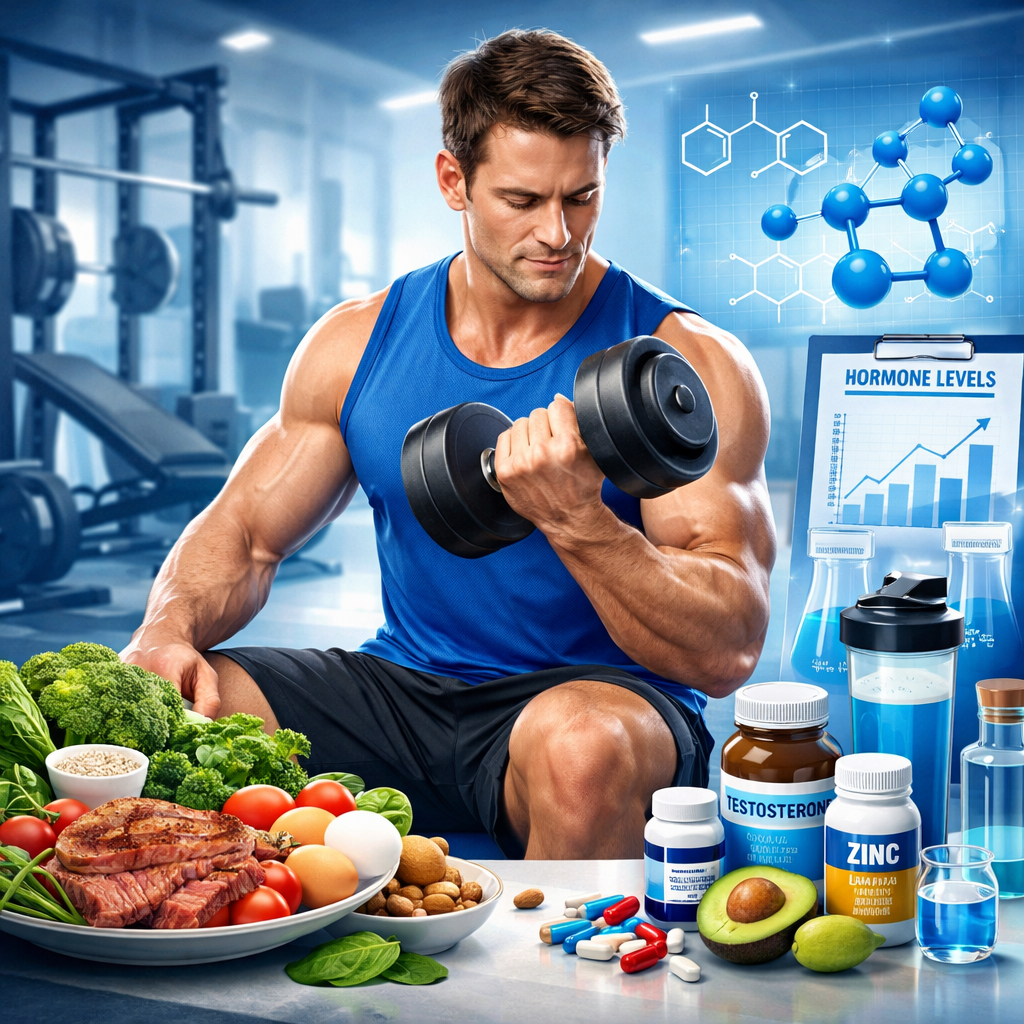
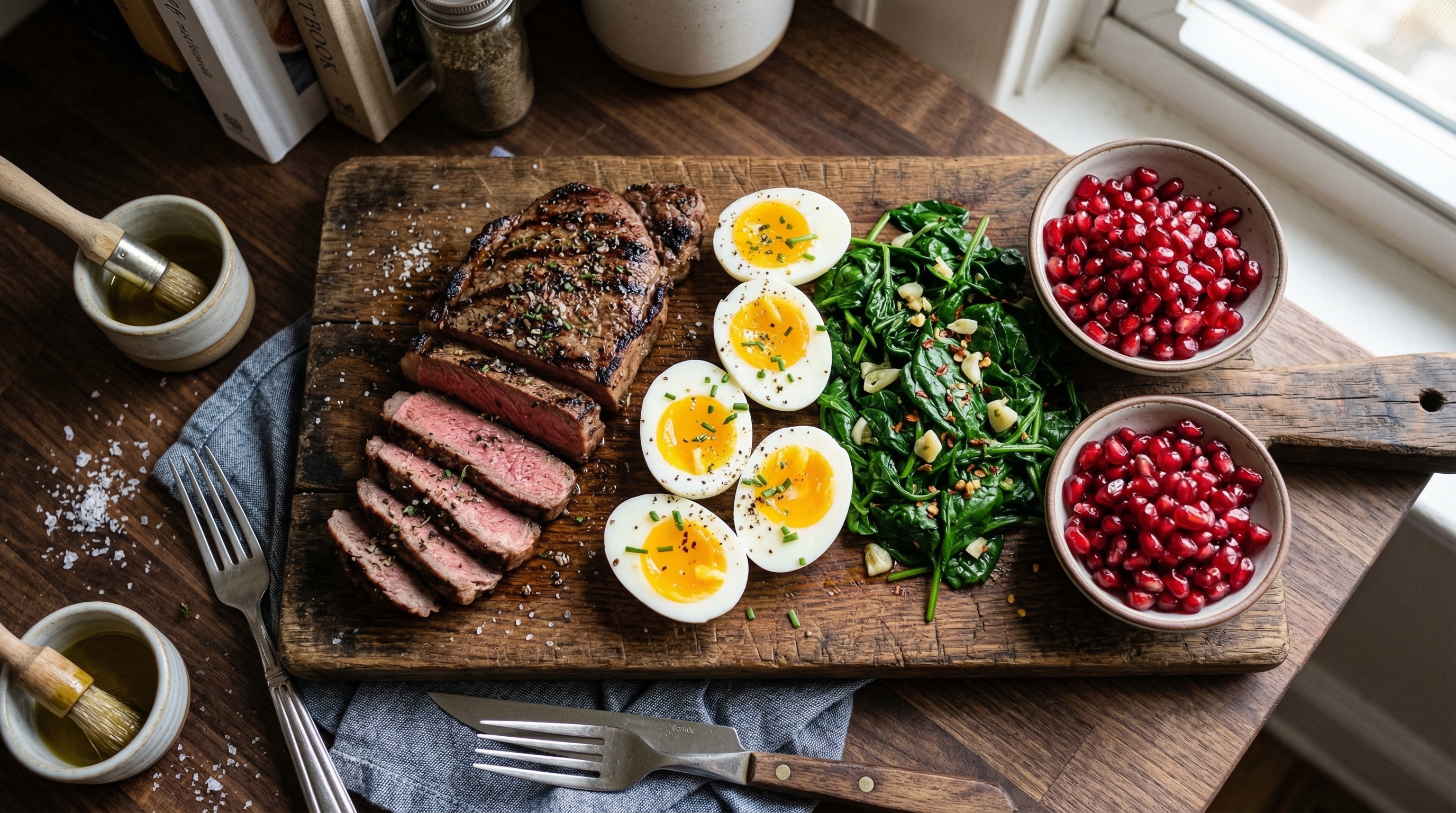
1. Optimize Your Diet
Eat more of:
- Zinc-rich foods: Oysters, beef, lamb, pumpkin seeds, spinach
- Magnesium-rich foods: Dark chocolate, avocados, nuts, leafy greens
- Vitamin D sources: Fatty fish, egg yolks, fortified foods (or sunlight)
- Healthy fats: Olive oil, avocados, nuts, fatty fish
- Protein: Grass-fed beef, wild salmon, free-range eggs
Avoid or limit:
- Sugar and refined carbs: Spike insulin, which lowers T
- Alcohol: Directly suppresses testosterone production
- Processed foods: Often contain endocrine disruptors
- Soy in excess: Contains phytoestrogens (moderate amounts are fine)
- Trans fats: Inflammatory and hormone-disrupting
2. Exercise Strategically
Best exercises for testosterone:
- Compound movements: Squats, deadlifts, bench press, rows
- High-intensity interval training (HIIT): Short, intense bursts
- Heavy lifting: 3-5 reps at 85-95% of 1RM
- Sprinting: Better than long-distance running for T
What to avoid:
- Excessive endurance training: Marathon running can lower T
- Overtraining: Too much exercise increases cortisol
Optimal routine: 3-4 resistance training sessions per week, focusing on compound movements. Add 1-2 HIIT sessions. Allow adequate recovery.
3. Prioritize Sleep
Sleep is when your body produces testosterone. Skimp on sleep, and you skimp on T.
Sleep optimization tips:
- Aim for 7-9 hours per night
- Keep your bedroom dark and cool (65-68°F)
- Avoid screens 1-2 hours before bed
- Stick to a consistent sleep schedule
- Limit caffeine after 2 PM
- Consider magnesium glycinate before bed
Related: Sleep Optimization for Testosterone - Complete guide to sleep and T
4. Manage Stress
Chronic stress keeps cortisol elevated, which suppresses testosterone. Stress management is essential for hormonal health.
Stress reduction strategies:
- Meditation: Even 10 minutes daily helps
- Deep breathing exercises: Activate the parasympathetic nervous system
- Nature exposure: Spending time outdoors lowers cortisol
- Social connection: Strong relationships buffer stress
- Adaptogenic herbs: Ashwagandha, rhodiola, holy basil
5. Get Sunlight (Vitamin D)
Vitamin D is actually a hormone, not a vitamin—and it’s essential for testosterone production. Men with vitamin D deficiency have significantly lower testosterone.
How to optimize:
- Get 15-30 minutes of direct sunlight daily
- If you live in a northern climate, supplement with vitamin D3
- Target blood levels of 50-80 ng/mL
- Take vitamin D with vitamin K2 for better absorption
6. Maintain a Healthy Weight
As discussed, excess body fat converts testosterone to estrogen. Losing weight can significantly increase free testosterone.
Weight loss tips:
- Create a moderate caloric deficit (500-750 calories/day)
- Focus on whole, unprocessed foods
- Prioritize protein (0.8-1g per pound of body weight)
- Combine diet with resistance training to preserve muscle
7. Limit Alcohol and Toxins
Alcohol: Even moderate drinking (2-3 drinks) can lower testosterone by 6-7% for up to 24 hours. Heavy drinking has much worse effects.
Environmental toxins: Endocrine disruptors are everywhere. Reduce exposure by:
- Using glass or stainless steel instead of plastic
- Choosing organic produce when possible
- Using natural cleaning and personal care products
- Filtering your water
- Avoiding non-stick cookware (use cast iron or stainless steel)
Testosterone-Boosting Supplements: What Actually Works
Lifestyle optimization is the foundation. But supplements can accelerate results and address deficiencies.
Important: Supplements support natural testosterone production—they don’t replace it like TRT (testosterone replacement therapy). Results are typically 20-50% increases, not 300-500% like synthetic testosterone.
Top Testosterone-Boosting Ingredients (Backed by Science)
1. Ashwagandha (KSM-66)
The most research-backed testosterone booster. In clinical studies, KSM-66 Ashwagandha increased testosterone by 10-17% in healthy men and up to 434% in stressed men.
How it works: Reduces cortisol by up to 27.9%, removing the brake on testosterone production. Also supports the HPG axis (hypothalamus-pituitary-gonadal), which controls testosterone synthesis.
Effective dosage: 300-600mg daily of KSM-66 or equivalent high-quality extract.
Found in: Testosil
2. D-Aspartic Acid (DAA)
An amino acid that increases luteinizing hormone (LH), which signals the testes to produce more testosterone.
How it works: Stimulates the release of LH and growth hormone, both of which support testosterone production.
Effective dosage: 2-3g daily. Best used in cycles (2-4 weeks on, 2-4 weeks off).
3. Zinc
An essential mineral for testosterone synthesis. Even mild zinc deficiency can lower testosterone.
How it works: Zinc is required for the enzymatic reactions that produce testosterone. It also inhibits aromatase (testosterone-to-estrogen conversion).
Effective dosage: 15-30mg daily. Take with food to avoid nausea.
4. Magnesium
Another essential mineral. Studies show magnesium supplementation can increase free and total testosterone.
How it works: Magnesium increases bioavailable testosterone by reducing its binding to sex hormone-binding globulin (SHBG).
Effective dosage: 200-400mg daily. Magnesium glycinate is best absorbed.
5. Vitamin D3
As mentioned, vitamin D is crucial for testosterone. Men with adequate vitamin D have significantly higher testosterone than deficient men.
How it works: Vitamin D receptors are found in the testes, where testosterone is produced. Adequate vitamin D supports this process.
Effective dosage: 3,000-5,000 IU daily (more if deficient).
6. Fenugreek
An herb that has shown modest testosterone increases in several studies.
How it works: May inhibit enzymes that convert testosterone to estrogen and may support free testosterone.
Effective dosage: 500-600mg daily of standardized extract.
7. Tongkat Ali (Longjack)
A traditional Southeast Asian herb with emerging research supporting testosterone benefits.
How it works: May reduce SHBG (increasing free testosterone) and support the HPG axis.
Effective dosage: 200-400mg daily of standardized extract.
Product Comparison: Top Testosterone Boosters
Based on our research and testing, here are the best testosterone-boosting supplements available:
1. Testosil - Best Overall
Why it stands out:
- 300mg KSM-66 Ashwagandha - Clinical dosage for maximum cortisol reduction
- Complete formula - 12 active ingredients including DAA, zinc, magnesium, and more
- Lifetime money-back guarantee - Try it risk-free forever
- AstraGin® - Patented absorption enhancer
Best for: Men wanting the most comprehensive, research-backed testosterone support with zero risk.
Read our full review: Testosil Review
2. VigRX Plus - Best for Libido and Performance
Why it stands out:
- 10+ natural ingredients - Including Tribulus, Damiana, and Bioperine
- Dual action - Supports testosterone AND sexual performance
- 67-day guarantee - Plenty of time to see results
- 10+ years on the market - Proven track record
Best for: Men whose primary concern is low libido and sexual performance.
Read our full review: VigRX Plus Review
3. Erectin - Best for Erectile Quality
Why it stands out:
- Clinically studied formula - Proven to improve erection quality
- Gel capsule technology - Fast absorption
- 67-day money-back guarantee
- Doctor-formulated
Best for: Men experiencing erectile difficulties alongside low testosterone.
4. ProSolution Plus - Best for Premature Issues
Why it stands out:
- Ayurvedic + modern ingredients - Traditional wisdom meets modern science
- Addresses premature issues - Not just testosterone
- 67-day guarantee
- All-natural formula
Best for: Men dealing with both low testosterone and premature ejaculation.
Which Product Is Right for You?
| Your Primary Concern | Best Product |
|---|---|
| Overall testosterone optimization | Testosil |
| Low libido + weak erections | VigRX Plus |
| Erectile quality issues | Erectin |
| Stamina + testosterone | ProSolution Plus |
Pro tip: You can stack products for comprehensive support. For example, Testosil for testosterone optimization + VigRX Plus for sexual performance.
Frequently Asked Questions
How do I know if I have low testosterone?
The only way to know for sure is a blood test measuring total and free testosterone. However, if you’re experiencing multiple symptoms from this list—especially low libido, fatigue, and muscle loss—there’s a good chance your testosterone is suboptimal.
Get tested: Ask your doctor for a “male hormone panel” or use an online service like Life Extension or Quest Diagnostics. Test in the morning (7-10 AM) when testosterone is highest.
What’s the difference between “low” and “low normal”?
Lab reference ranges define “low” as below 300 ng/dL. But many men with levels of 300-500 ng/dL still experience symptoms, especially if they used to be higher. Optimal testosterone is typically 600-900 ng/dL for most men.
Key insight: It’s not just about absolute numbers—it’s about where YOU feel best.
Are testosterone boosters safe?
Natural testosterone boosters (like the ones reviewed above) are generally safe for healthy men. They work by supporting your body’s own testosterone production, not by adding synthetic hormones.
However: Always check with your doctor before starting any supplement, especially if you have medical conditions or take medications.
How long until I see results from natural testosterone boosters?
Most men notice initial benefits within 2-4 weeks:
- Week 1-2: Better energy, improved mood
- Week 3-4: Increased libido, better workouts
- Week 6-8: Fuller effects on muscle, fat loss, sexual function
For maximum results, use consistently for at least 3 months.
Should I consider testosterone replacement therapy (TRT)?
TRT is a medical treatment involving synthetic testosterone (injections, gels, or pellets). It’s effective but has risks:
- Pros: Dramatic testosterone increase, fast results
- Cons: Shuts down natural production, requires lifetime commitment, potential side effects (infertility, blood thickening, etc.)
Our recommendation: Try natural approaches first. If lifestyle optimization and supplements don’t work after 3-6 months, consult a doctor about TRT.
Can I boost testosterone naturally at any age?
Yes! While testosterone naturally declines with age, you can still optimize your levels at any age. Studies show that healthy lifestyle habits can maintain testosterone levels 20-30% higher than typical for your age group.
Key: It’s never too late to start.
Will testosterone boosters show up on drug tests?
Natural testosterone boosters (supplements) do not contain synthetic testosterone and will not cause you to fail drug tests for steroids. However, some athletic organizations have banned certain ingredients (like DHEA). Check your sport’s regulations if you’re a competitive athlete.
What’s the connection between testosterone and sleep?
Deep sleep (REM) is when your body produces most of its testosterone. Poor sleep = less T production. Studies show that men who sleep 5 hours or less have testosterone levels equivalent to men 10 years older.
Sleep tips: 7-9 hours, dark room, cool temperature, no screens before bed.
Can women take testosterone boosters?
Women produce testosterone too (about 10% of male levels), and low T can affect women’s libido, energy, and mood. However, women should use lower doses and consult a healthcare provider before taking any testosterone-supporting supplements.
Take Action Today
If you recognized yourself in the symptoms described in this article, you’re not alone—and you’re not stuck.
Low testosterone is incredibly common, but it’s also highly treatable. The combination of lifestyle optimization and quality supplements can restore your energy, libido, and vitality without prescriptions or injections.
Here’s your action plan:
- Get tested - Know your baseline testosterone levels
- Optimize lifestyle - Sleep, diet, exercise, stress management
- Choose a quality supplement - Testosil for overall T support, VigRX Plus for libido
- Be consistent - Give it 3 months for full results
- Retest - Measure your progress
You don’t have to accept low energy, weak workouts, and a non-existent sex drive as “just getting older.” Take control of your hormones, and take back your life.
Related Articles
- Testosil Review - Deep dive into our #1 testosterone booster
- VigRX Plus Review - Best for libido and performance
- Natural Ways to Boost Testosterone - Complete lifestyle guide
- Sleep Optimization for Testosterone - How sleep affects T
- Top 10 Testosterone Boosters 2026 - Complete comparison guide
- HGH vs Testosterone Guide - Understanding the difference
Disclaimer: This article is for informational purposes only and is not medical advice. Always consult with a healthcare professional before starting any supplement regimen or making significant changes to your health routine. Results from supplements vary by individual. Affiliate links are used in this article, which means we may earn a commission if you make a purchase at no additional cost to you.