Magnesium for Sleep: The Science-Backed Guide to Better Rest
If you’re struggling with sleep, magnesium might be the missing piece you haven’t tried.
After researching sleep optimization extensively, I discovered that magnesium deficiency is one of the most common (yet overlooked) causes of poor sleep quality.
Here’s what the science says about using magnesium for better sleep.
Why Magnesium Matters for Sleep
Magnesium is involved in over 300 biochemical reactions in your body, including:
- Regulating neurotransmitters that calm your nervous system
- Activating parasympathetic nervous system (rest and digest mode)
- Regulating melatonin (your sleep hormone)
- Reducing cortisol (your stress hormone)
- Relaxing muscles and preventing cramps
The problem? An estimated 50-80% of Americans are magnesium deficient.
The Research: Magnesium and Sleep Quality
What Studies Show
A 2012 study found that magnesium supplementation:
- Reduced time to fall asleep by 12 minutes on average
- Improved sleep efficiency by 8%
- Decreased early morning awakening
- Reduced cortisol levels by 25%
Another study showed magnesium:
- Increased melatonin production
- Decreased cortisol
- Improved subjective sleep quality scores
Bottom line: Magnesium works, but you need the right type and dose.
Best Forms of Magnesium for Sleep
Not all magnesium is created equal. Here’s what you need to know:
1. Magnesium Glycinate (Best for Sleep)
Why it’s the best:
- Highly bioavailable (easily absorbed)
- Bound to glycine (an amino acid that promotes relaxation)
- Gentle on stomach (no digestive issues)
- Crosses blood-brain barrier effectively
Dosage: 200-400mg before bed
My recommendation: This is the form I use and recommend for sleep.
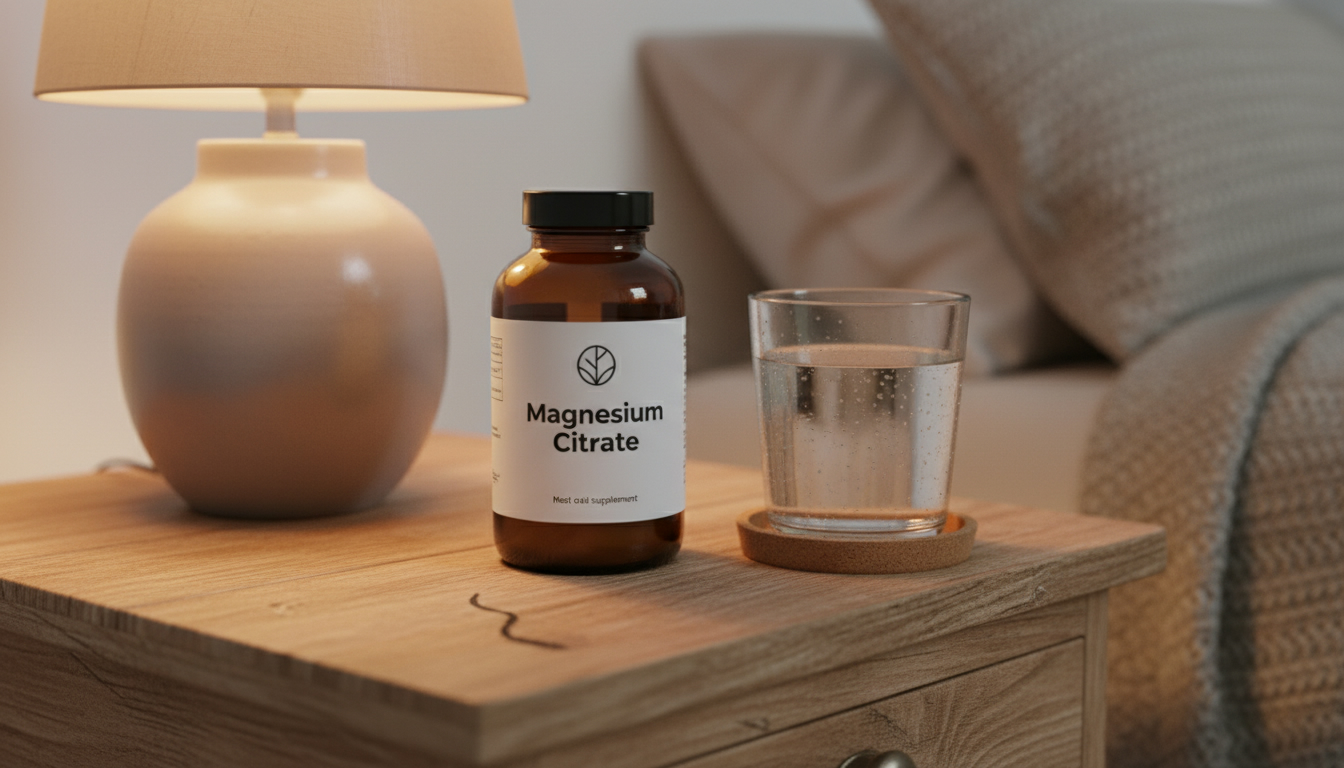
2. Magnesium Citrate
Pros:
- Good absorption
- Affordable
- Widely available
Cons:
- Can cause digestive issues (laxative effect)
- Less effective for sleep than glycinate
Best for: People who also need help with constipation
3. Magnesium Threonate
Pros:
- Crosses blood-brain barrier better than other forms
- May improve cognitive function
- Good for brain health
Cons:
- More expensive
- Lower magnesium content per gram
Best for: Cognitive enhancement + sleep
4. Magnesium Oxide (Avoid)
Why avoid:
- Poor absorption (only 4% bioavailable)
- Causes digestive distress
- Not effective for sleep
Skip this form.
Optimal Dosage for Sleep
Recommended Dosages
For Sleep Improvement:
- 200-400mg of elemental magnesium
- Best form: Magnesium glycinate
- Timing: 1-2 hours before bed
Start with:
- Week 1: 200mg (to assess tolerance)
- Week 2+: 300-400mg (if well-tolerated)
Don’t exceed:
- 400mg at once (can cause digestive issues)
- 600mg total daily (unless under medical supervision)
When to Take It
Best timing: 1-2 hours before bed
Why:
- Takes 60-90 minutes to reach peak levels
- Allows time for relaxation effects to kick in
- Won’t interfere with dinner absorption
My routine: I take 300mg magnesium glycinate at 9 PM for a 10-11 PM bedtime.
Signs You’re Magnesium Deficient
Common symptoms of deficiency:
Physical:
- Muscle cramps or twitches
- Fatigue and weakness
- Poor sleep quality
- Headaches
- Irregular heartbeat
Mental:
- Anxiety
- Irritability
- Difficulty concentrating
- Mood swings
Risk factors:
- High stress levels
- Excessive alcohol consumption
- Poor diet (low in leafy greens, nuts, seeds)
- Digestive disorders (Crohn’s, celiac)
- Type 2 diabetes
- Age (absorption decreases with age)
If you have 3+ of these symptoms, magnesium deficiency is likely.
Magnesium-Rich Foods vs. Supplements
Can You Get Enough from Food?
Magnesium-rich foods:
- Dark chocolate (65mg per ounce)
- Avocados (58mg per medium avocado)
- Nuts (almonds: 80mg per ounce)
- Leafy greens (spinach: 157mg per cup cooked)
- Seeds (pumpkin seeds: 156mg per ounce)
- Legumes (black beans: 120mg per cup)
The problem: You’d need to eat 4-5 servings daily to hit optimal levels.
My recommendation:
- Eat magnesium-rich foods for general health
- Supplement for therapeutic sleep benefits
- Combine both for best results
Stacking Magnesium with Other Sleep Aids
Synergistic Combinations
1. Magnesium + Zinc + B6
- Known as “ZMA” (popular sleep supplement)
- Zinc supports testosterone production
- B6 aids in melatonin synthesis
2. Magnesium + Melatonin
- Magnesium helps your body produce melatonin
- Supplemental melatonin (0.5-3mg) can enhance effects
- Start with low dose melatonin
3. Magnesium + Ashwagandha
- Both reduce cortisol
- Complementary mechanisms
- Take ashwagandha in morning, magnesium at night
4. Magnesium + Tart Cherry Juice
- Natural melatonin source
- Anti-inflammatory benefits
- Good for recovery sleep
Potential Side Effects
Common (usually mild):
- Digestive upset (if taken with food, usually fine)
- Loose stools (if dose too high)
- Drowsiness (expected, that’s the point!)
Rare:
- Nausea
- Headache
- Muscle weakness (from too much)
Who should be careful:
- People with kidney disease
- Those on certain medications (antibiotics, bisphosphonates)
- Anyone with heart block
Always consult your doctor if you have health conditions or take medications.
My Magnesium Protocol for Sleep
Evening Routine:
- 9:00 PM: 300mg magnesium glycinate
- 9:30 PM: No screens, dim lights
- 10:00 PM: Bedtime
- 10:30 PM: Sleep onset
Morning:
- Wake up naturally (no alarm when possible)
- Feel refreshed and recovered
Additional:
- 200mg magnesium with lunch (for daytime benefits)
- Total daily: 500mg
After 2 weeks: Noticeable improvement in:
- Time to fall asleep
- Sleep depth
- Morning energy
- Muscle recovery
How Long Until You See Results?
Timeline:
| Week | Expected Benefits |
|---|---|
| 1 | Mild relaxation, easier to fall asleep |
| 2 | Deeper sleep, fewer nighttime wakings |
| 3-4 | Consistent improvement, better morning energy |
| 6+ | Full benefits, improved recovery |
Important: Magnesium is not a sleeping pill. It works by correcting a deficiency and supporting natural sleep processes. Give it 2-4 weeks for full benefits.
Choosing the Right Magnesium Supplement
What to Look For
- Form: Magnesium glycinate (or bisglycinate)
- Dosage: 200-400mg per serving
- Quality: Third-party tested
- Purity: No unnecessary fillers
- Reputation: Established brand
Red Flags
- Proprietary blends (hidden dosages)
- Magnesium oxide (poor absorption)
- Extremely cheap (quality costs money)
- No third-party testing
The Bottom Line
Best magnesium for sleep:
- Form: Magnesium glycinate
- Dosage: 300-400mg before bed
- Timing: 1-2 hours before sleep
- Duration: 2-4 weeks for full benefits
Most important: Consistency is key. Take magnesium every night, not just when you’re having trouble sleeping. It works by correcting a deficiency over time.
If you’re struggling with sleep and haven’t tried magnesium, this is one of the safest, most evidence-based supplements you can add to your routine.
Disclaimer: This article is for informational purposes only and is not medical advice. Always consult a healthcare professional before starting any supplement regimen. Some links in this article may be affiliate links.