Belly Fat Won’t Go Away? 7 Science-Backed Reasons Why (And How to Finally Lose It)
You’ve been dieting. You’ve been exercising. You’ve even lost weight in other areas.
But that stubborn belly fat just won’t budge.
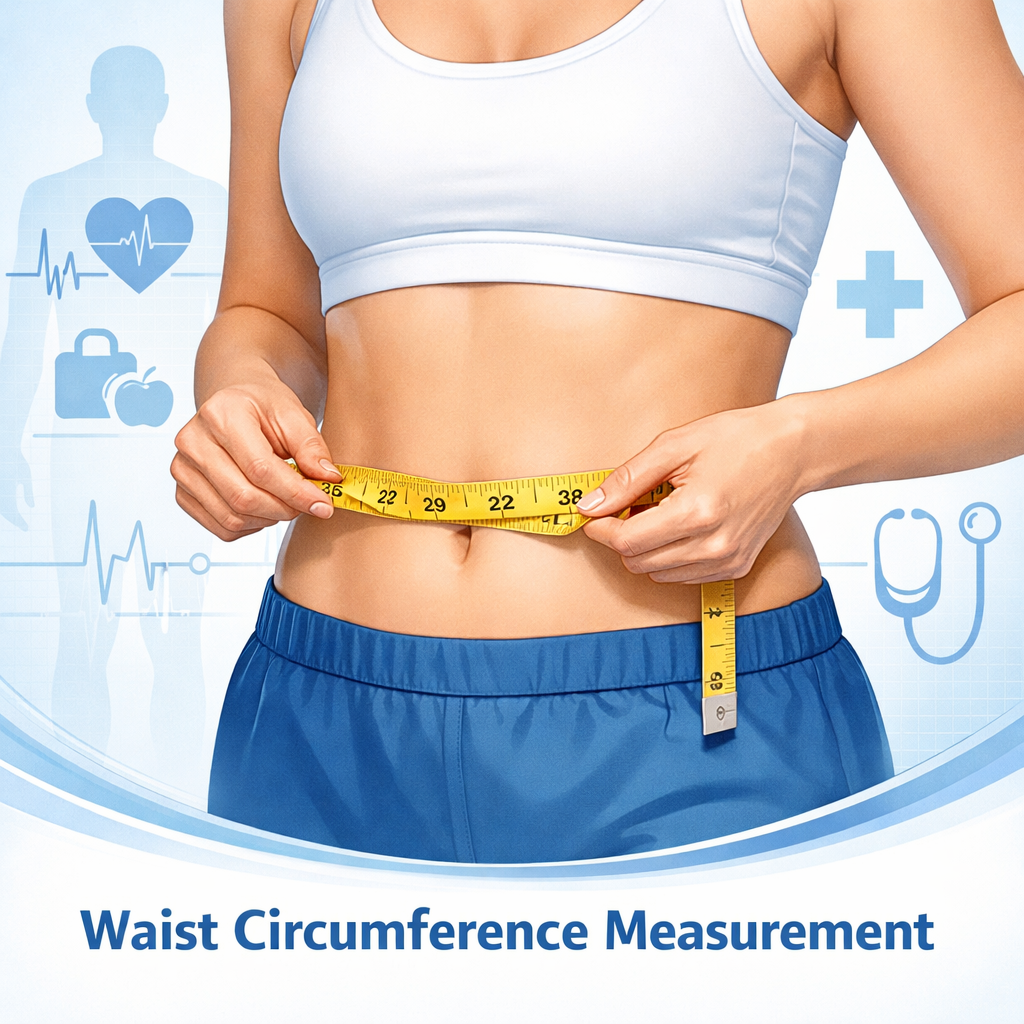
If this sounds familiar, you’re not alone. Belly fat (especially visceral fat around your organs) is biologically different from fat in other areas of your body. It’s more metabolically active, more stubborn, and more dangerous to your health.
The good news? Once you understand why belly fat is so resistant to traditional weight loss methods, you can target it with science-backed strategies that actually work.
In this comprehensive guide, you’ll discover:
- 7 reasons belly fat is harder to lose than other fat
- The hidden role of cortisol and stress
- Why sleep quality matters more than you think
- Targeted nutrition and exercise strategies
- Natural supplements that support belly fat loss
Let’s dive in.
Why Belly Fat Is Different
Before we get into solutions, it’s important to understand why belly fat behaves differently from fat in other areas of your body.
Visceral vs. Subcutaneous Fat
There are two types of belly fat:
Subcutaneous fat: The fat you can pinch right under your skin. This is stubborn but not particularly dangerous.
Visceral fat: The fat deep inside your abdominal cavity, surrounding your organs. This is the dangerous fat linked to heart disease, diabetes, and metabolic syndrome.
Visceral fat is metabolically active - it releases inflammatory compounds and hormones that affect your entire body. This makes it harder to lose, but also means that losing it has huge health benefits beyond just aesthetics.
Biological Factors Working Against You
Several biological factors make belly fat particularly stubborn:
-
Blood flow: Belly fat has reduced blood flow compared to other fat stores, making it harder for your body to access and burn these fat cells.
-
Enzyme activity: Belly fat has higher levels of enzymes that promote fat storage and lower levels of enzymes that promote fat burning.
-
Hormone receptors: Belly fat cells have different hormone receptors that make them more resistant to fat-burning signals.
-
Cortisol sensitivity: Belly fat cells are more sensitive to cortisol (stress hormone), which promotes fat storage in the abdominal area.
Now that you understand why belly fat is different, let’s look at the 7 reasons it won’t go away - and what to do about each one.
Reason #1: Chronic Stress and High Cortisol
The Problem:
When you’re chronically stressed, your body produces high levels of cortisol. This stress hormone has a direct effect on fat storage, particularly in the abdominal area.
Cortisol does three things that promote belly fat:
- Increases appetite: Cortisol triggers cravings for high-calorie, high-sugar foods
- Promotes fat storage: It specifically signals your body to store fat in the abdominal area
- Breaks down muscle: It can break down muscle tissue for energy, slowing your metabolism
Research shows that people with high cortisol levels have more visceral fat, regardless of their overall body weight.
The Solution:
Stress Management Strategies:
-
Daily meditation: Even 10 minutes of meditation can lower cortisol levels. Apps like Headspace or Calm can help you get started.
-
Regular exercise: Moderate exercise (not intense) helps lower cortisol. Walking, yoga, and light strength training are ideal.
-
Deep breathing: Practice the 4-7-8 breathing technique: Inhale for 4 seconds, hold for 7, exhale for 8. Do this 3-4 times when you feel stressed.
-
Time in nature: Spending 20-30 minutes in nature significantly lowers cortisol levels.
-
Set boundaries: Learn to say no to commitments that add unnecessary stress to your life.
Supplements that help:
- Ashwagandha: 300-600mg daily has been shown to reduce cortisol by 30%
- Rhodiola rosea: 200-400mg daily helps your body adapt to stress
- Magnesium: 400mg daily supports healthy cortisol levels
Reason #2: Poor Sleep Quality
The Problem:
Sleep deprivation is one of the most overlooked causes of stubborn belly fat. Even one night of poor sleep can disrupt your hormones and promote fat storage.
Here’s what happens when you don’t get quality sleep:
- Ghrelin increases: This “hunger hormone” rises by 15-20%
- Leptin decreases: This “fullness hormone” drops by 15-20%
- Cortisol rises: Poor sleep triggers cortisol release
- Insulin resistance increases: Your body becomes less efficient at processing carbohydrates
- Growth hormone decreases: This hormone is crucial for fat burning and muscle building
The effect: One study found that people sleeping 5 hours or less per night had 32% more visceral fat than those sleeping 7-8 hours.
The Solution:
Sleep Optimization Protocol:
The 10-3-2-1 Rule:
- 10 hours before bed: No caffeine
- 3 hours before bed: No food or alcohol
- 2 hours before bed: No work
- 1 hour before bed: No screens (phone, TV, computer)
Optimize Your Sleep Environment:
- Temperature: Keep your bedroom at 65-68°F (18-20°C)
- Darkness: Use blackout curtains or a sleep mask
- Quiet: Use earplugs or a white noise machine if needed
- Comfort: Invest in a quality mattress and pillows
Sleep Timing:
- Aim for 7-9 hours of quality sleep
- Go to bed by 10 PM when possible (circadian rhythm optimization)
- Wake up at the same time every day, even weekends
Supplements that help:
- Magnesium glycinate: 400mg before bed improves sleep quality
- L-theanine: 200mg promotes relaxation without drowsiness
- Valerian root: 300-600mg can help you fall asleep faster
Related: Read our complete Sleep Optimization Guide for more detailed strategies.
Reason #3: Insulin Resistance
The Problem:
Insulin is a hormone that helps your cells absorb glucose (sugar) from your bloodstream. When you develop insulin resistance, your cells stop responding properly to insulin.
This creates a vicious cycle:
- Your cells don’t absorb glucose efficiently
- Your pancreas produces more insulin to compensate
- High insulin levels promote fat storage, especially in the belly
- Belly fat produces inflammatory compounds that worsen insulin resistance
Signs of insulin resistance:
- Cravings after meals
- Energy crashes (especially 2-4 PM)
- Difficulty losing weight despite diet and exercise
- Skin tags
- Dark skin patches (neck, armpits)
- High fasting blood sugar
The Solution:
Nutrition Strategies:
-
Reduce refined carbohydrates: Cut back on white bread, pasta, sugary drinks, and processed foods.
-
Increase fiber: Aim for 25-35g of fiber daily from vegetables, fruits, and legumes.
-
Add cinnamon: 1-2 teaspoons daily can improve insulin sensitivity by 10-30%.
-
Time your carbs: Eat carbohydrates around workouts when your body is most insulin-sensitive.
-
Try intermittent fasting: 16:8 fasting (16 hours fast, 8-hour eating window) can improve insulin sensitivity.
Exercise Strategies:
- Walk after meals: 10-15 minutes of walking after eating can significantly reduce blood sugar spikes
- Strength training: 3-4 sessions per week improves insulin sensitivity
- HIIT workouts: High-intensity interval training is particularly effective for improving insulin sensitivity
Supplements that help:
- Berberine: 500mg 3x daily is as effective as metformin for improving insulin sensitivity
- Chromium: 200-400mcg daily helps regulate blood sugar
- Alpha-lipoic acid: 300-600mg daily improves insulin sensitivity
Related: Learn more about why you can’t lose weight and metabolic adaptation.
Reason #4: Hormonal Imbalances
The Problem:
Several hormones influence belly fat storage:
Cortisol: We’ve already discussed this - it promotes abdominal fat storage.
Estrogen: In both men and women, estrogen dominance (too much estrogen relative to progesterone/testosterone) promotes fat storage in the hips and belly.
Testosterone: Low testosterone (in men and women) leads to increased belly fat and decreased muscle mass.
Thyroid hormones: Hypothyroidism slows metabolism and promotes fat storage.
Growth hormone: Low levels reduce fat burning and muscle building.
The Solution:
Get Tested: Ask your doctor to check:
- Cortisol: Morning and evening levels
- Estrogen/Progesterone/ Testosterone: Full hormone panel
- Thyroid: TSH, T3, T4, and thyroid antibodies
- Growth hormone: IGF-1 levels
Natural Hormone Optimization:
For cortisol: Follow the stress management strategies in Reason #1.
For estrogen:
- Eat cruciferous vegetables (broccoli, cauliflower, kale) daily
- Reduce exposure to xenoestrogens (plastics, pesticides)
- Consider DIM supplement (100-200mg daily)
For testosterone:
- Get adequate sleep (7-9 hours)
- Strength train 3-4x per week
- Manage stress
- Supplement with zinc (30mg), vitamin D3 (5000 IU), and magnesium (400mg)
- Consider natural testosterone boosters with research-backed ingredients
For thyroid:
- Ensure adequate iodine intake (150mcg daily)
- Supplement with selenium (200mcg) and zinc (30mg)
- Avoid goitrogens (raw cruciferous vegetables) if you have thyroid issues
- Consider natural thyroid support supplements
For growth hormone:
- Optimize sleep (growth hormone is primarily released during deep sleep)
- High-intensity exercise
- Intermittent fasting
- Reduce sugar intake
Related: Read our guide on signs of low testosterone for comprehensive hormone optimization.
Reason #5: Wrong Type of Exercise
The Problem:
Many people trying to lose belly fat focus on:
- Endless crunches and ab exercises
- Long, slow cardio sessions
- Spot reduction attempts
The problem? These approaches don’t work for belly fat.
Why crunches don’t work: You can’t spot-reduce fat. Ab exercises strengthen your muscles but don’t burn the fat covering them.
Why long cardio doesn’t work: Extended cardio sessions can actually increase cortisol levels and break down muscle tissue, both of which promote belly fat storage.
The Solution:
The Right Exercise Strategy:
1. Strength Training (3-4x per week)
- Focus on compound movements: squats, deadlifts, bench press, rows
- Progressive overload: increase weight or reps each week
- Builds muscle, which increases your metabolic rate
- Improves insulin sensitivity
2. High-Intensity Interval Training (HIIT) (2-3x per week)
- 20-30 minute sessions
- Example: 30 seconds sprint, 90 seconds walk, repeat 10-15 times
- Burns more fat in less time than steady-state cardio
- Boosts metabolism for 24-48 hours after workout
- Improves insulin sensitivity
3. Low-Intensity Steady State (LISS) (2-3x per week)
- Walking, light cycling, swimming
- 30-45 minutes at 60-70% max heart rate
- Doesn’t raise cortisol like intense cardio
- Great for recovery and stress management
4. Core Strengthening (2-3x per week)
- Planks, dead bugs, bird dogs, Pallof presses
- Focus on stability, not endless crunches
- Strengthens the muscles underneath the fat
The Perfect Weekly Schedule:
- Monday: Strength training (lower body)
- Tuesday: HIIT
- Wednesday: LISS + Core
- Thursday: Strength training (upper body)
- Friday: HIIT
- Saturday: LISS + Core
- Sunday: Rest or light walking
Related: Learn how to build muscle while losing fat with our complete body recomposition guide.
Reason #6: Gut Health Issues
The Problem:
Your gut microbiome (the trillions of bacteria in your digestive system) plays a crucial role in weight regulation and fat storage.
Research shows that people with more belly fat have different gut bacteria than lean individuals. Specifically:
- Less bacterial diversity: Fewer different types of beneficial bacteria
- More Firmicutes bacteria: This type is linked to increased calorie absorption
- Fewer Bacteroidetes bacteria: This type is linked to leanness
- Intestinal permeability (“leaky gut”): Allows inflammatory compounds into your bloodstream
The effect: Poor gut health increases inflammation, promotes insulin resistance, and can increase belly fat storage.
The Solution:
Gut Health Optimization:
1. Eat gut-friendly foods:
- Fermented foods: Sauerkraut, kimchi, kefir, yogurt (unsweetened)
- Prebiotic foods: Garlic, onions, leeks, asparagus, bananas
- Fiber-rich foods: Vegetables, fruits, legumes, whole grains
2. Avoid gut-damaging foods:
- Processed foods: Artificial preservatives and emulsifiers harm gut bacteria
- Excessive alcohol: Damages the gut lining
- Refined sugar: Feeds harmful bacteria
- Artificial sweeteners: Can disrupt gut microbiome
3. Consider probiotics:
- Look for multi-strain formulas with at least 10 billion CFUs
- Specific strains linked to weight loss: Lactobacillus gasseri, Lactobacillus rhamnosus
- Take consistently for at least 2-3 months
4. Manage stress:
- Stress negatively impacts gut bacteria
- Practice stress management techniques from Reason #1
5. Get adequate sleep:
- Sleep deprivation disrupts gut microbiome
- Follow sleep optimization strategies from Reason #2
Supplements that help:
- Probiotics: 10-50 billion CFUs daily
- Prebiotic fiber: 5-10g daily
- L-glutamine: 5-10g daily to heal gut lining
- Digestive enzymes: With meals to improve digestion
Reason #7: Hidden Calories and Portion Distortion
The Problem:
Even when you think you’re eating healthy and in a caloric deficit, you might be consuming more calories than you realize.
Research shows that people consistently underestimate their calorie intake by 30-50%. This is due to:
- Portion distortion: Restaurant portions are 2-5x larger than standard serving sizes
- Hidden calories: Sauces, dressings, cooking oils, and drinks add significant calories
- Mindless eating: Eating while distracted leads to overconsumption
- Weekend cheating: “Cheat meals” can undo an entire week’s deficit
- Liquid calories: Smoothies, juices, and alcohol are easy to overconsume
The effect: You think you’re in a 500-calorie deficit, but you’re actually at maintenance or in a surplus.
The Solution:
Accurate Tracking Strategies:
1. Use a food scale:
- Weigh and measure everything for at least 2-4 weeks
- This teaches you what actual serving sizes look like
- You’ll be surprised how small a “tablespoon” of peanut butter actually is
2. Track everything:
- Use an app like MyFitnessPal or Cronometer
- Log every bite, sip, and taste
- Include cooking oils, sauces, and drinks
- Don’t forget weekend meals and snacks
3. Read labels carefully:
- Check serving sizes (often smaller than you think)
- Look at calories per container, not just per serving
- Be aware of “hidden” ingredients
4. Prepare meals at home:
- Restaurant meals can have 1000+ hidden calories
- Cooking at home gives you complete control
- Batch prep meals for the week
5. Practice mindful eating:
- Eat without screens (TV, phone, computer)
- Chew slowly and thoroughly
- Put your fork down between bites
- Stop when you’re 80% full, not stuffed
6. Limit liquid calories:
- Drink water, black coffee, or unsweetened tea
- Avoid sodas, juices, and sweetened drinks
- If drinking alcohol, account for those calories
- Be cautious with smoothies (can be 500+ calories)
7. Plan for weekends:
- Don’t let one “cheat meal” become a cheat weekend
- If you have a planned indulgence, adjust other meals that day
- Stay active on weekends
Sample Tracking: Here’s what a 500-calorie deficit actually looks like for different people:
Women (maintenance: 1800 calories):
- Target: 1300 calories
- Breakfast: 300 cal
- Lunch: 400 cal
- Dinner: 500 cal
- Snacks: 100 cal
Men (maintenance: 2400 calories):
- Target: 1900 calories
- Breakfast: 400 cal
- Lunch: 600 cal
- Dinner: 700 cal
- Snacks: 200 cal
Putting It All Together: Your Belly Fat Loss Action Plan
Now that you understand the 7 reasons belly fat won’t go away, here’s your step-by-step action plan:
Week 1-2: Foundation
- Track your food for at least 5-7 days to understand your current intake
- Optimize sleep: Implement the 10-3-2-1 rule and sleep environment changes
- Start strength training: 3 sessions this week
- Reduce stress: Begin daily meditation (even 5 minutes counts)
Week 3-4: Nutrition Refinement
- Create a caloric deficit: 300-500 calories below maintenance
- Increase protein: Aim for 0.8-1g per pound of body weight
- Add fiber: Target 25-35g daily
- Cut refined carbs: Replace with vegetables and whole foods
Week 5-6: Exercise Optimization
- Add HIIT: 2-3 sessions per week
- Increase daily movement: Aim for 10,000 steps daily
- Add core work: 2-3 sessions per week
- Walk after meals: 10-15 minutes after each meal
Week 7-8: Advanced Strategies
- Try intermittent fasting: 16:8 protocol
- Optimize gut health: Add probiotics and fermented foods
- Consider supplements: Based on your specific needs (see sections above)
- Get blood work done: Check hormones, insulin, and inflammation markers
Week 9-12: Fine-Tuning
- Assess progress: Take measurements, photos, and note how clothes fit
- Adjust approach: If needed, modify calorie intake or exercise
- Stay consistent: Results compound over time
- Be patient: Belly fat can take 3-6 months to see significant changes
Natural Supplements That Support Belly Fat Loss
While no supplement can replace proper diet and exercise, certain supplements can support your belly fat loss efforts:
Top Recommendations:
-
MITOLYN - Our top-rated fat loss supplement with research-backed ingredients
- Supports metabolism and fat burning
- Learn more about MITOLYN
-
Lean Belly Breakthrough - Comprehensive belly fat program
- Targets visceral fat specifically
- Includes nutrition and exercise guidance
- Get Lean Belly Breakthrough
-
Berberine - Improves insulin sensitivity
- 500mg 3x daily with meals
- As effective as metformin for blood sugar control
-
Magnesium - Supports sleep, stress management, and insulin sensitivity
- 400mg daily (glycinate form for better absorption)
-
Omega-3 fish oil - Reduces inflammation and supports fat metabolism
- 2-3g EPA/DHA daily
Note: Supplements are meant to support, not replace, a healthy diet and exercise program. Always consult with your healthcare provider before starting any new supplement regimen.
Common Questions About Belly Fat
Q: How long does it take to lose belly fat?
A: It depends on several factors:
- How much you have to lose: More belly fat = longer timeline
- Consistency: Daily habits matter more than occasional intense efforts
- Metabolic health: Insulin resistance and hormonal imbalances can slow progress
- Realistic timeline: Expect 1-2 pounds of fat loss per week with proper approach
- Visible results: 4-8 weeks to see noticeable changes, 3-6 months for significant transformation
Q: Can I target belly fat specifically?
A: No, you cannot spot-reduce fat from specific areas. However:
- Belly fat is often the first place you gain and the last place you lose
- As you lose overall body fat, belly fat will eventually decrease
- The strategies in this guide specifically address the reasons belly fat is stubborn
- Improving insulin sensitivity and reducing cortisol can help mobilize belly fat
Q: What’s the best diet for losing belly fat?
A: There’s no single “best” diet, but effective approaches share common features:
- Caloric deficit: Essential for fat loss
- High protein: 0.8-1g per pound of body weight
- Low refined carbs: Reduces insulin and inflammation
- High fiber: Supports gut health and satiety
- Whole foods: Minimizes hidden calories and inflammation
Popular options:
- Mediterranean diet
- Low-carb or ketogenic diet
- Intermittent fasting
- Custom Keto Diet (personalized approach)
Q: Do ab exercises help lose belly fat?
A: Not directly, but they play a role:
- Ab exercises strengthen your core muscles but don’t burn the fat covering them
- They’re important for: posture, back health, and revealing abs once fat is lost
- Focus on: compound movements and HIIT for fat burning, core work for muscle development
- Don’t waste time on: endless crunches - planks and stability exercises are more effective
Q: Why do I have belly fat if I’m skinny everywhere else?
A: This is called “skinny fat” or “normal weight obesity” and has several causes:
- Low muscle mass: Not enough strength training
- High body fat percentage: Despite normal weight
- Poor diet: High in processed foods, sugar, or alcohol
- Chronic stress: High cortisol promotes belly fat storage
- Genetics: Some people naturally store fat in the abdominal area
- Hormonal imbalances: Low testosterone, thyroid issues, or estrogen dominance
The solution: Focus on building muscle through strength training while improving diet quality and managing stress.
The Bottom Line
Losing stubborn belly fat requires a different approach than general weight loss. You need to address the underlying reasons it won’t budge:
- Manage stress and cortisol
- Optimize sleep quality
- Improve insulin sensitivity
- Balance your hormones
- Exercise the right way
- Support gut health
- Track calories accurately
The strategies in this guide are evidence-based and comprehensive. They address the root causes of stubborn belly fat, not just the symptoms.
Remember:
- Consistency beats intensity: Small daily actions compound over time
- Patience is essential: Belly fat can take 3-6 months to see significant changes
- Health first: Focus on improving metabolic health, and belly fat loss will follow
- Sustainable approach: Choose strategies you can maintain long-term
You now have the knowledge and tools to finally lose that stubborn belly fat. The question is: Will you take action?
Start with one strategy from this guide today. Then add another next week. Before you know it, you’ll have transformed not just your belly, but your overall health and vitality.
Your future self will thank you.
What’s Your Experience?
Have you struggled with stubborn belly fat? What strategies have worked (or haven’t worked) for you? Share your experience in the comments below - I’d love to hear from you.
And if you found this guide helpful, please share it with someone else who might benefit. Together, we can help more people finally achieve the health and body they deserve.
Related Articles:
- Why Can’t I Lose Weight? 7 Reasons Your Scale Won’t Budge
- Always Tired? 10 Causes and Natural Solutions
- Sleep Optimization Guide: Quality Over Quantity
- Build Muscle While Losing Fat: Complete Body Recomposition Guide
Disclaimer: This article is for informational purposes only and does not constitute medical advice. Always consult with a healthcare professional before starting any new diet, exercise, or supplement program. Results may vary. Affiliate links are used in this article, which means we may earn a commission if you make a purchase at no extra cost to you.