Testosterone and Sleep: The Critical Connection for Optimal Health
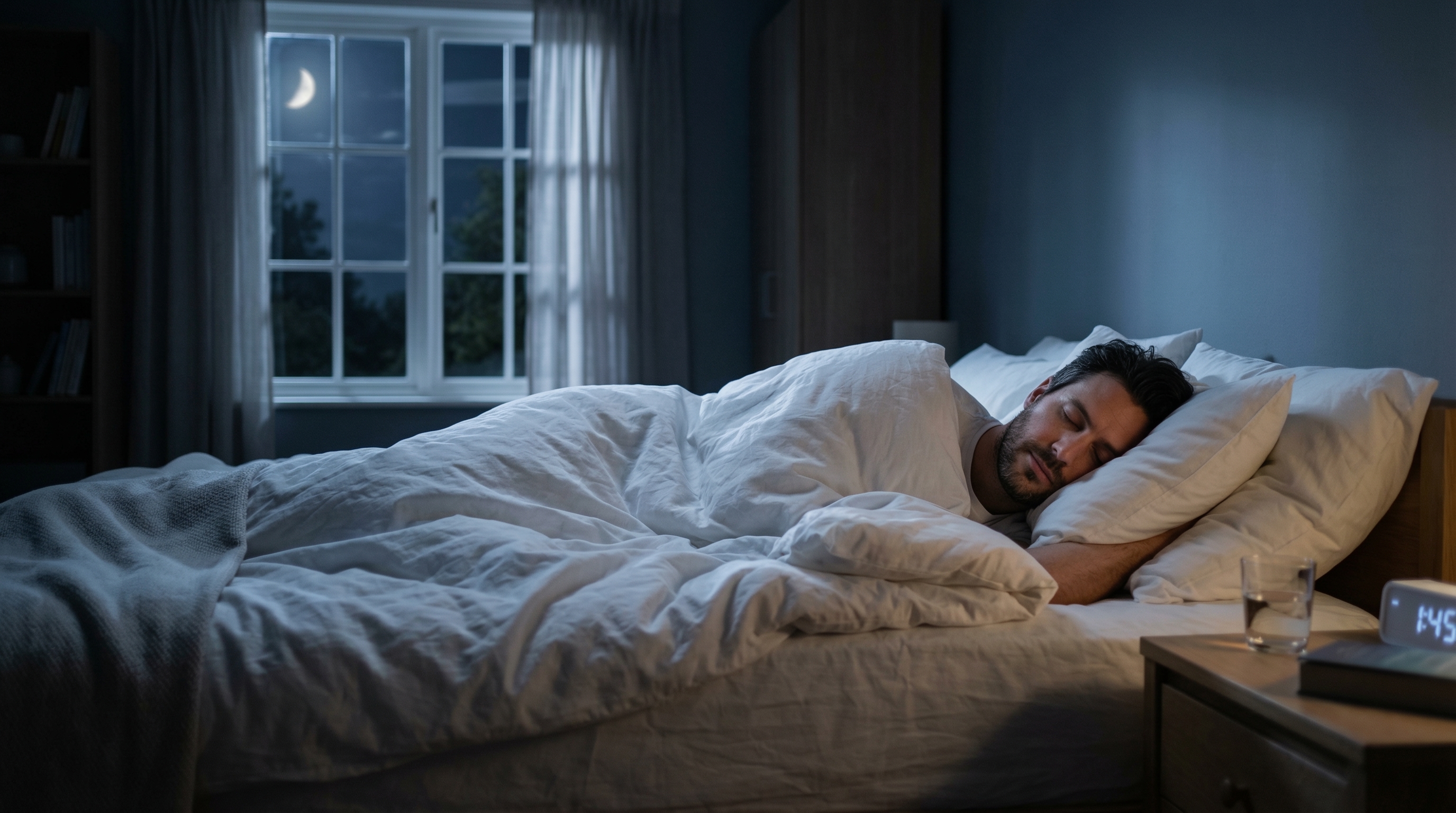
In today’s fast-paced world, many men struggle with declining energy levels, reduced libido, and overall feelings of fatigue. While many immediately reach for testosterone boosters, the underlying cause might be something more fundamental: poor sleep quality. The connection between testosterone and sleep is one of the most critical yet often overlooked relationships in men’s health.
Understanding the Testosterone-Sleep Connection
Testosterone, often called the “male hormone,” plays a crucial role in numerous bodily functions including muscle mass maintenance, bone density, red blood cell production, and sexual health. What many don’t realize is that testosterone production is heavily dependent on sleep - particularly during deep, restorative sleep stages.
Research consistently shows that testosterone levels follow a circadian rhythm, with peak production occurring during sleep. In fact, studies have demonstrated that up to 60-70% of daily testosterone production happens during sleep, with the highest levels typically reached during the early morning hours.
How Sleep Depletion Affects Testosterone
When we don’t get adequate sleep, our bodies produce less testosterone. Multiple studies have confirmed this relationship:
- One study published in the Journal of the American Medical Association found that young men who slept only 4-5 hours per night for just one week experienced up to a 15% reduction in testosterone levels
- Another study showed that men with sleep apnea (a condition characterized by interrupted breathing during sleep) have significantly lower testosterone levels compared to those with normal sleep patterns
- Research from the University of Chicago demonstrated that even modest sleep restriction (6 hours instead of 8 hours) can significantly impact hormonal balance
The mechanisms behind this relationship are complex but well-understood. During deep sleep, the body engages in processes that optimize hormone production. When sleep is fragmented or insufficient, these processes are disrupted, leading to reduced testosterone synthesis.
The Impact of Poor Sleep on Testosterone Levels
Sleep quality affects testosterone through several key mechanisms:
1. Cortisol Interference
Poor sleep increases cortisol levels, the body’s primary stress hormone. Elevated cortisol signals the body to produce less testosterone, as the body prioritizes stress response over reproductive functions. This creates a vicious cycle where poor sleep leads to high cortisol, which suppresses testosterone, which in turn can further disrupt sleep quality.
2. Growth Hormone Disruption
Deep sleep is when the body releases growth hormone, which works synergistically with testosterone. Growth hormone enhances testosterone production and utilization. When sleep quality is poor, growth hormone release is diminished, indirectly affecting testosterone levels.
3. Inflammation Increase
Chronic sleep deprivation promotes systemic inflammation, which can interfere with the Leydig cells in the testes that are responsible for testosterone production. Inflammatory cytokines can directly suppress testosterone synthesis and impair testicular function.
4. Autonomic Nervous System Imbalance
Sleep regulates the autonomic nervous system, which controls hormone production. Poor sleep can tip the balance toward the sympathetic “fight or flight” system and away from the parasympathetic “rest and digest” system that supports healthy testosterone production.
Recognizing the Signs of Testosterone-Sleep Dysfunction
The relationship between testosterone and sleep creates a complex interplay where symptoms can reinforce each other. Key signs that you might be experiencing this dysfunction include:
Physical Symptoms
- Morning fatigue despite getting “enough” hours of sleep
- Decreased energy levels throughout the day
- Increased body fat, particularly around the abdomen
- Reduced muscle mass and strength
- Decreased libido and sexual performance
- Morning erections that are less frequent or less firm
Cognitive and Emotional Symptoms
- Brain fog and difficulty concentrating
- Mood changes including irritability or depression
- Increased stress and anxiety levels
- Reduced motivation and drive
- Memory difficulties
Sleep Quality Issues
- Difficulty falling asleep
- Frequent nighttime awakenings
- Not feeling refreshed after waking
- Snoring or observed breathing pauses during sleep
- Restless leg syndrome
Natural Strategies to Improve Both Testosterone and Sleep
The good news is that because testosterone and sleep are interconnected, improving one often benefits the other. Here are evidence-based strategies to enhance both simultaneously:
1. Optimize Sleep Environment
Your sleep environment plays a crucial role in sleep quality:
- Temperature: Keep your bedroom cool, ideally between 65-68°F (18-20°C)
- Darkness: Use blackout curtains or an eye mask to eliminate light exposure
- Quiet: Consider white noise or earplugs if you’re sensitive to sound
- Comfort: Invest in a supportive mattress and pillows
2. Establish Consistent Sleep Patterns
Your body thrives on consistency:
- Regular Schedule: Go to bed and wake up at the same time every day, even on weekends
- Wind Down Routine: Create a 30-60 minute pre-sleep routine that signals your body it’s time to sleep
- Avoid Sleep Inertia: Resist the urge to hit snooze multiple times
3. Timing and Sleep Duration
Optimize when and how long you sleep:
- Early to Bed: Aim to be asleep by 10-11 PM to align with natural circadian rhythms
- 7-9 Hours: Most adults need 7-9 hours of quality sleep per night
- Consistent Wake Time: Wake at the same time each day to regulate your internal clock
4. Nutrition for Better Sleep and Testosterone
What you eat significantly impacts both sleep and hormone production:
- Protein: Include adequate protein in your diet as it provides amino acids needed for testosterone synthesis
- Healthy Fats: Essential fatty acids support hormone production and brain health
- Magnesium: This mineral helps regulate sleep and supports testosterone production
- Zinc: Crucial for testosterone production and sleep quality
- Vitamin D: Important for hormone balance and sleep regulation
Foods to consider incorporating:
- Fatty fish (salmon, mackerel)
- Nuts and seeds (walnuts, almonds, pumpkin seeds)
- Leafy greens (spinach, kale)
- Eggs
- Berries
5. Exercise and Physical Activity
Regular exercise benefits both sleep and testosterone:
- Resistance Training: Strength training has been shown to boost testosterone levels
- Moderate Cardio: Activities like brisk walking or cycling improve sleep quality
- Timing: Avoid intense exercise within 3 hours of bedtime as it can be stimulating
6. Stress Management
Chronic stress severely impacts both sleep and testosterone:
- Mindfulness Meditation: Even 10-15 minutes daily can reduce stress hormones
- Deep Breathing: Practice diaphragmatic breathing before bed
- Progressive Muscle Relaxation: Systematically tense and relax muscle groups
- Limit Screen Time: Blue light from screens can disrupt melatonin production
7. Avoid Sleep Disruptors
Certain substances can interfere with sleep and testosterone:
- Alcohol: While it may make you drowsy initially, it disrupts deep sleep
- Caffeine: Avoid caffeine after 2 PM as it can remain in your system for hours
- Nicotine: Nicotine is a stimulant that can interfere with sleep quality
- Large Meals: Avoid heavy meals within 3 hours of bedtime
When to Seek Professional Help
While lifestyle changes can significantly improve sleep and testosterone levels, some situations require professional attention:
Red Flags That Warrant Medical Consultation:
- Persistent insomnia despite good sleep hygiene
- Loud snoring with witnessed breathing pauses
- Excessive daytime sleepiness
- Symptoms of severe testosterone deficiency
- Mood changes that interfere with daily functioning
What to Look For in a Healthcare Provider:
When seeking help, look for professionals who:
- Understand the testosterone-sleep connection
- Take a comprehensive approach rather than just prescribing testosterone
- Consider underlying causes like sleep apnea, thyroid issues, or nutritional deficiencies
- Are willing to order appropriate testing
Testing and Monitoring
If you suspect issues with either sleep or testosterone levels, appropriate testing can provide valuable insights:
Sleep Testing:
- Sleep Diary: Track your sleep patterns for 1-2 weeks
- Wearable Devices: Some fitness trackers provide sleep stage data
- Sleep Studies: For suspected sleep apnea, a formal sleep study may be recommended
Hormone Testing:
- Total Testosterone: Morning blood tests (when levels are highest)
- Free Testosterone: Measures the biologically active portion
- Luteinizing Hormone (LH): Helps determine if the issue is testicular or pituitary
- Cortisol: Assess stress hormone levels
- Comprehensive Metabolic Panel: Evaluate overall health markers
The Role of Testosterone Replacement Therapy
For some individuals with clinically low testosterone levels, testosterone replacement therapy (TRT) may be appropriate. However, it’s important to understand:
When TRT Might Be Considered:
- Documented low testosterone levels with symptoms
- Underlying medical condition causing testosterone deficiency
- Failed attempts at lifestyle optimization
Important Considerations:
- TRT doesn’t address underlying sleep issues
- Requires ongoing medical supervision
- Potential side effects and risks
- May suppress natural production further
- Insurance coverage varies widely
The best approach is to address sleep optimization first, as it often naturally improves testosterone levels without the need for medication.
Long-Term Strategies for Maintaining Optimal Testosterone and Sleep
Building sustainable habits is key to maintaining healthy testosterone and sleep levels:
Create a Comprehensive Health Plan:
- Regular Health Check-ups: Monitor your progress and make adjustments
- Adjust Seasonally: Sleep needs and hormone production can vary with seasons
- Account for Life Changes: Major life events can impact sleep and hormones
- Stay Active: Maintain physical activity as you age to support both systems
Build a Support System:
- Accountability Partner: Share your goals with someone who can help keep you on track
- Professional Support: Work with doctors, nutritionists, or sleep specialists as needed
- Community: Connect with others focused on health and wellness
The Bottom Line
The connection between testosterone and sleep is profound and essential for men’s health. Rather than looking for quick fixes or testosterone boosters, addressing sleep quality provides a natural, sustainable foundation for optimal hormonal balance and overall well-being.
The strategies outlined here - optimizing sleep environment, establishing consistent patterns, managing stress, and supporting your body with proper nutrition - work synergistically to improve both sleep quality and testosterone production. While it may take time to see significant results, the compound benefits extend far beyond just hormones to include improved energy, mood, cognitive function, and overall quality of life.
Remember that small, consistent changes often yield better results than drastic, short-term interventions. Start with one or two strategies that resonate most with you, track your progress, and gradually build a comprehensive approach to better sleep and optimal testosterone levels. Your body has an incredible capacity for healing and balance when given the right foundation.
Resources for Further Learning
- National Sleep Foundation guidelines for adult sleep needs
- Endocrine Society clinical practice guidelines for testosterone therapy
- American Academy of Sleep Medicine recommendations for sleep hygiene
- Recent peer-reviewed studies on sleep and testosterone relationships
By taking a proactive approach to improving both sleep quality and testosterone levels naturally, you’re investing in your long-term health and well-being. The journey may take time, but the rewards - more energy, better mood, improved sexual health, and overall vitality - make it well worth the effort.