You’re tired. Your workouts have stalled. Motivation feels like a memory.
Your doctor ran bloodwork, and the verdict is in: low testosterone.
Now you’re standing at a crossroads. One path leads to testosterone replacement therapy (TRT) — synthetic hormones, regular injections, medical supervision. The other leads to natural testosterone boosters — supplements, lifestyle changes, patience.
Which one should you choose?
Here’s an honest breakdown of both options, including what the research says, real costs, and who each approach is actually right for.
What Is TRT?
Testosterone Replacement Therapy (TRT) is medical treatment that delivers synthetic testosterone to your body. It comes in several forms:
- Injections (most common) — typically weekly or bi-weekly
- Gels — applied daily to shoulders/arms
- Patches — worn on skin
- Pellets — implanted under skin, last 3-6 months
What TRT does:
- Rapidly increases testosterone to normal or high-normal levels
- Requires ongoing medical supervision
- Often involves additional medications (to prevent side effects)
- Is typically a lifetime commitment
What Are Natural Testosterone Boosters?
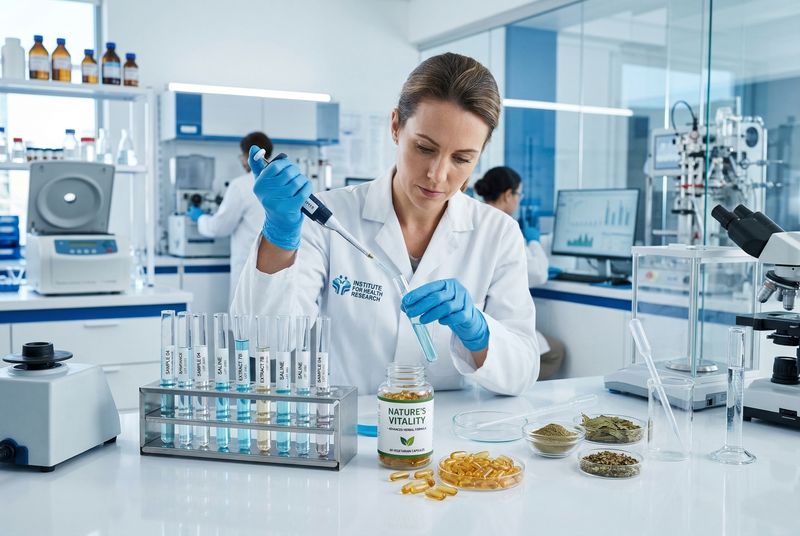
Natural testosterone boosters are supplements designed to support your body’s own testosterone production. They typically contain:
- Herbal extracts (ashwagandha, tongkat ali, fenugreek)
- Vitamins & minerals (vitamin D, zinc, magnesium)
- Amino acids (D-aspartic acid)
What they do:
- Support your body’s natural hormone production
- Work best when you have a deficiency (nutritional or stress-related)
- Require lifestyle support (sleep, exercise, stress management)
- Are not synthetic hormones
The Case for TRT
When TRT Makes Sense
TRT is generally appropriate when:
- Your testosterone is clinically low (below 300 ng/dL on multiple tests)
- You have significant symptoms (fatigue, low libido, depression, muscle loss)
- Natural approaches haven’t worked after 3-6 months of serious effort
- You have a legitimate medical condition (hypogonadism, testicular damage)
TRT Benefits
- Predictable results — you know exactly what you’re getting
- Rapid improvement — often within weeks
- Medical supervision — regular bloodwork and monitoring
- Can be life-changing for men with true hypogonadism
TRT Drawbacks
- Lifetime commitment — your natural production shuts down
- Side effects — acne, hair loss, mood swings, sleep apnea risk
- Fertility impact — dramatically reduces sperm production
- Cost — $150-500/month without insurance, often not covered
- Requires additional medications — HCG, aromatase inhibitors, etc.
- Testicular atrophy — “shrinkage” is real
- Red blood cell increase — requires monitoring
The TRT Reality Check
TRT isn’t a quick fix. It’s a medical treatment with real tradeoffs:
“Once you start TRT, you’re making a commitment. Your body stops producing testosterone naturally. If you stop, you crash — often lower than where you started.” — Men’s Health Clinic Physician
The Case for Natural Testosterone Boosters
When Natural Boosters Make Sense
Natural approaches are worth trying when:
- Your testosterone is low-normal (300-500 ng/dL)
- You have modifiable lifestyle factors (poor sleep, high stress, bad diet)
- You want to preserve fertility
- You’re not ready for lifetime medical treatment
- You suspect nutritional deficiencies (vitamin D, zinc, magnesium)
Natural Booster Benefits
- Non-invasive — no needles, no prescriptions
- Preserves fertility — your body keeps making testosterone
- Addresses root causes — stress, sleep, nutrition
- Lower cost — typically $30-80/month
- Reversible — you can stop anytime
- Additional health benefits — ashwagandha reduces cortisol, vitamin D supports immunity
Natural Booster Drawbacks
- Slower results — 8-12 weeks to see full effects
- Won’t fix true hypogonadism — if your testes can’t produce, supplements won’t help
- Quality varies — many products are underdosed or use cheap ingredients
- Requires lifestyle effort — supplements alone won’t fix poor habits
What the Research Says
| Ingredient | Evidence Level | Typical Effective Dose |
|---|---|---|
| Ashwagandha (KSM-66) | Strong | 300-600mg daily |
| Vitamin D3 | Strong (if deficient) | 3,000-5,000 IU daily |
| Zinc | Strong (if deficient) | 25-45mg daily |
| Magnesium | Moderate | 400mg daily |
| Tongkat Ali | Moderate | 200-400mg daily |
| Fenugreek | Mixed | 500-600mg daily |
| D-Aspartic Acid | Weak/Temporary | 2-3g daily |
Key insight: Natural boosters work best when they’re correcting a deficiency. If your vitamin D is already optimal, more won’t help. If you’re severely deficient, it can make a significant difference.
Cost Comparison
TRT Costs (Annual)
| Item | Cost Range |
|---|---|
| Testosterone (injections) | $600-1,800 |
| Doctor visits | $300-600 |
| Bloodwork | $200-500 |
| HCG (to maintain fertility) | $600-1,200 |
| Aromatase inhibitors | $200-400 |
| Total | $1,900-4,500/year |
Natural Booster Costs (Annual)
| Item | Cost Range |
|---|---|
| Quality testosterone booster | $360-720 |
| Bloodwork (1-2x/year to monitor) | $100-200 |
| Total | $460-920/year |
The math: TRT costs roughly 4-5x more than natural supplementation, and that’s before considering the lifetime commitment.
Who Should Choose What?
Choose TRT If:
- ✅ Multiple blood tests show testosterone below 250-300 ng/dL
- ✅ You have clinical symptoms significantly impacting quality of life
- ✅ You’ve tried natural approaches for 6+ months with no improvement
- ✅ You have a diagnosed medical condition causing low T
- ✅ You’re done having children (or are willing to use HCG)
- ✅ You can afford ongoing medical costs
- ✅ You’re committed to lifetime treatment
Try Natural Boosters First If:
- ✅ Your testosterone is in the low-normal range (300-500 ng/dL)
- ✅ You have poor sleep, high stress, or nutritional gaps
- ✅ You want to preserve fertility
- ✅ You haven’t seriously tried lifestyle optimization yet
- ✅ You want to understand the root cause before committing to hormones
- ✅ Cost is a significant factor
A Sensible Approach
If you’re on the fence, here’s a reasonable progression:
Phase 1: Foundation (Months 1-3)
- Fix sleep (7-8 hours, consistent schedule)
- Reduce alcohol (or eliminate)
- Start lifting weights (compound movements, 3-4x/week)
- Get bloodwork to establish baseline
- Address obvious deficiencies (vitamin D, zinc if low)
Phase 2: Natural Support (Months 3-6)
- Add a quality testosterone booster with clinical doses
- Optimize diet (adequate protein, healthy fats)
- Manage stress (meditation, ashwagandha, therapy)
- Get follow-up bloodwork
Phase 3: Evaluate (Month 6)
- Re-test testosterone levels
- Assess symptom improvement
- If still low with symptoms → discuss TRT with doctor
- If improved → continue natural approach
Questions to Ask Yourself
Before jumping to TRT, honestly answer:
- Am I sleeping 7-8 hours consistently?
- Am I exercising regularly (especially resistance training)?
- Is my diet supportive of hormone health?
- Am I managing stress effectively?
- Do I have nutritional deficiencies I haven’t addressed?
- Have I actually given natural approaches a real effort (3-6 months)?
If the answer to most of these is “no,” you haven’t exhausted natural options yet.
The Bottom Line
TRT is medicine. It’s appropriate for men with true hypogonadism or clinically low testosterone who haven’t responded to other approaches. It’s powerful, but it comes with permanent tradeoffs.
Natural boosters are support. They work best for men with suboptimal testosterone who have room to optimize lifestyle and nutrition. They’re not magic, but they can make a meaningful difference.
The right choice depends on your numbers, your symptoms, and your situation. Don’t let anyone — doctor or supplement company — pressure you into a decision. Get the facts, try the conservative approach first, and escalate if needed.
Your testosterone isn’t just a number. It’s your energy, your drive, your quality of life. Treat that decision with the respect it deserves.
Next Steps
- Get tested: Know your baseline before making decisions
- Start with lifestyle: Sleep, exercise, and stress management are free
- Consider a quality booster: Look for clinical doses of proven ingredients
- Re-test in 3-6 months: Data drives better decisions
If you’re looking for natural testosterone support, Testosil contains clinically-studied ingredients including KSM-66 ashwagandha, vitamin D3, zinc, and magnesium in effective doses.
Disclaimer: This article is for informational purposes only and does not constitute medical advice. Always consult with a qualified healthcare provider before starting any treatment or supplement regimen.