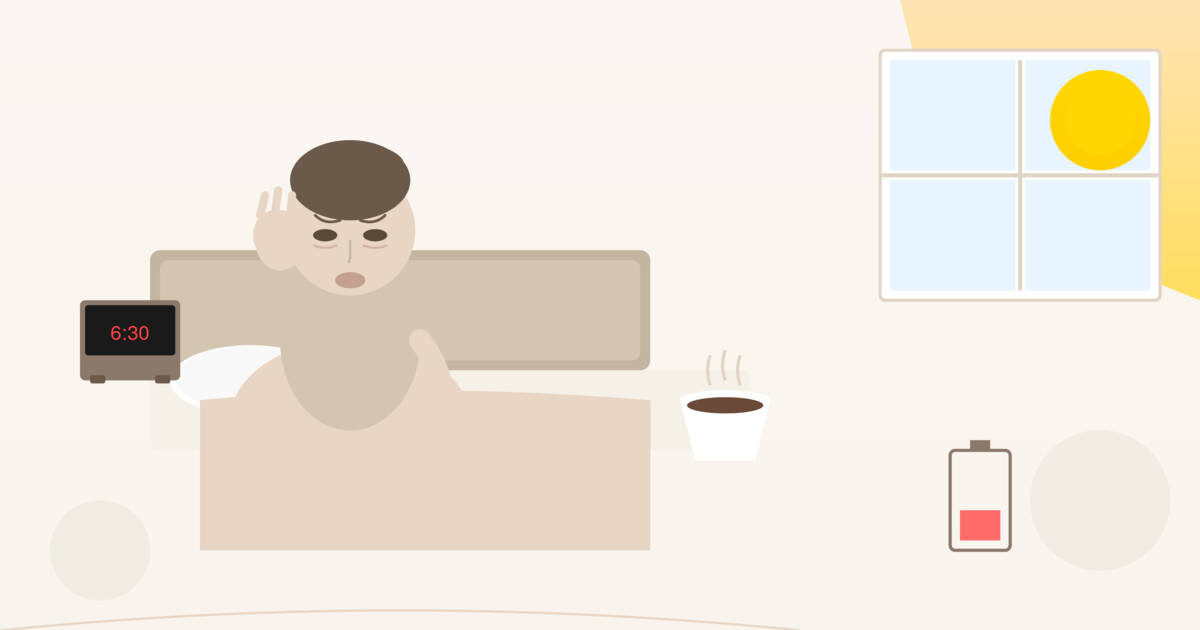
You sleep 8 hours. You wake up tired. You drag through the day, relying on coffee just to feel “normal.” By 3 PM, you’re fighting to stay focused.
Sound familiar?
If this is your daily reality, you’ve probably blamed stress, work, getting older, or just “life.” But there’s a good chance the real culprit is something most doctors never check until it’s too late:
Low testosterone.
Fatigue is one of the most common — and most overlooked — symptoms of low T. And if your testosterone levels have quietly declined (which happens to most men starting in their 30s), no amount of sleep or caffeine will fix the underlying problem.
In this article, we’ll break down:
- Why low testosterone causes fatigue (the science)
- How to tell if your tiredness is hormone-related
- What you can actually do about it
The Testosterone-Energy Connection
Testosterone isn’t just about muscle mass, libido, or “manliness.” It’s a fundamental hormone that affects nearly every system in your body — including your energy levels.
Here’s how it works:
1. Mitochondrial Function
Your mitochondria are the power plants of your cells — they convert nutrients into ATP, the energy currency your body runs on. Testosterone plays a direct role in mitochondrial function and efficiency. When T levels drop, your cells literally produce less energy.
2. Red Blood Cell Production
Testosterone stimulates erythropoiesis — the production of red blood cells. Red blood cells carry oxygen throughout your body. Low T can lead to mild anemia, meaning your muscles and brain get less oxygen. The result? Fatigue, weakness, and brain fog.
3. Sleep Quality
Here’s the cruel irony: low testosterone can disrupt your sleep, and poor sleep further lowers testosterone. It’s a vicious cycle. Men with low T often experience:
- Difficulty falling asleep
- Waking up frequently during the night
- Less deep, restorative sleep
So even if you’re in bed for 8 hours, you might not be getting quality sleep.
4. Mood and Motivation
Testosterone influences dopamine, the neurotransmitter associated with motivation, drive, and pleasure. Low T can leave you feeling unmotivated, apathetic, and mentally “flat” — which often manifests as fatigue.
Signs Your Fatigue May Be Low T-Related
Fatigue alone doesn’t automatically mean low testosterone. But if you’re experiencing several of these symptoms alongside your tiredness, it’s worth investigating:
- Brain fog — difficulty concentrating, forgetfulness, mental sluggishness
- Low motivation — things that used to excite you now feel like chores
- Decreased muscle mass — despite working out, you’re getting weaker or smaller
- Increased body fat — especially around the midsection
- Low libido — reduced sex drive, fewer spontaneous erections
- Mood changes — irritability, mild depression, feeling “off”
- Sleep issues — insomnia, waking up tired, poor sleep quality
If 3+ of these sound like you, there’s a strong possibility your testosterone is lower than optimal.
What’s Considered “Low” Testosterone?
This is where things get tricky.
The medical “normal” range for total testosterone in adult males is typically 300-1,000 ng/dL. But here’s the problem:
- A 25-year-old at 300 ng/dL and a 75-year-old at 300 ng/dL will have very different experiences
- Many men feel symptoms at 400-500 ng/dL, even though they’re technically “normal”
- Reference ranges vary by lab and don’t account for optimal function
The better question isn’t “Am I low?” but “Am I optimal for my age and goals?”
If you’re in your 30s or 40s and testing at 350 ng/dL, you’re technically “normal” — but you’re also at the level of a much older man. That’s worth addressing.
How to Know for Sure: Get Tested
If you suspect low T, don’t guess. Get a blood test.
What to test:
- Total testosterone — the overall amount in your blood
- Free testosterone — the active form your body can actually use
- SHBG — a protein that binds to testosterone, making it unavailable
- Estradiol — high estrogen can cause symptoms similar to low T
When to test:
- Morning (7-10 AM) — T levels are highest in the morning
- Fasted — food can slightly affect results
- Not immediately after poor sleep or heavy alcohol use
You can ask your doctor, use an online service like Quest or Labcorp, or work with a men’s health clinic.
What You Can Do About Low T Fatigue
If your testosterone is low or suboptimal, you have options. They fall into three categories:
1. Lifestyle Changes (Do These First)
Before considering supplements or TRT, optimize your baseline:
Sleep
- 7-9 hours per night, consistently
- Keep your room cool and dark
- No screens 1 hour before bed
- Address sleep apnea if you snore or wake up gasping
Exercise
- Resistance training (lifting weights) naturally boosts T
- Avoid excessive endurance cardio (can lower T)
- Compound movements (squats, deadlifts) have the biggest impact
Diet
- Eat enough calories and protein
- Don’t crash diet — rapid weight loss tanks testosterone
- Include healthy fats (avocados, eggs, olive oil, nuts)
- Limit sugar and processed foods
Stress Management
- Chronic stress elevates cortisol, which suppresses testosterone
- Daily meditation, walking, or breathing exercises help
- Address underlying anxiety or burnout
Alcohol
- Heavy drinking significantly lowers T
- Even moderate intake (2-3 drinks) can impact levels
- Cut back or eliminate if possible
2. Natural Testosterone Support Supplements
If lifestyle is dialed in but you still want a boost, certain supplements have research supporting their ability to support healthy testosterone levels:
Ashwagandha (KSM-66)
- Adaptogenic herb shown in studies to reduce cortisol and support T
- Look for 300-600mg of KSM-66 extract daily
- One study showed a 15% increase in testosterone after 8 weeks
Vitamin D3
- Deficiency is extremely common and linked to low T
- 3,000-5,000 IU daily if you don’t get much sun
- Get tested — optimal levels are 50-80 ng/mL
Zinc
- Essential for testosterone production
- 15-30mg daily (don’t exceed 40mg long-term without copper)
- Especially important if you sweat a lot or don’t eat much meat
Magnesium
- Supports free testosterone levels
- 400mg daily (glycinate or citrate forms are best absorbed)
- Also improves sleep quality
D-Aspartic Acid
- May temporarily boost T in men with low levels
- 2-3g daily for short cycles (2-4 weeks)
- Effects tend to diminish with continuous use
Many men find it easier to use a comprehensive formula that includes these ingredients in clinically-studied doses.
3. Testosterone Replacement Therapy (TRT)
If lifestyle and supplements aren’t enough — and your levels are genuinely low — TRT may be worth discussing with a doctor.
Pros:
- Directly increases testosterone levels
- Can dramatically improve energy, mood, and libido
- Well-established medical treatment
Cons:
- Usually a lifelong commitment (stops natural production)
- Requires regular injections, gels, or patches
- Can have side effects (acne, hair loss, fertility issues)
- Needs medical supervision and regular bloodwork
TRT is a serious decision. It’s not something to jump into without fully understanding the tradeoffs.
The Bottom Line
If you’re constantly tired despite sleeping well, low testosterone deserves a spot on your list of suspects. It’s not the only possible cause — thyroid issues, anemia, depression, and sleep disorders can all cause fatigue too — but it’s one of the most commonly missed.
Here’s your action plan:
- Check the symptom list above — do you have 3+ signs of low T?
- Get bloodwork done — total T, free T, SHBG, estradiol
- Optimize lifestyle first — sleep, exercise, diet, stress, alcohol
- Consider natural support — ashwagandha, vitamin D, zinc, magnesium
- Talk to a doctor if symptoms persist and levels are low
Fatigue isn’t something you have to accept as “just getting older.” If your hormones are out of balance, fixing that can be life-changing.
This article is for informational purposes only and is not medical advice. Always consult with a healthcare professional before starting any supplement regimen or making changes to your health routine.