The Low Testosterone-Depression Connection: What Research Actually Shows
You’ve been feeling off. Low energy. Zero motivation. Maybe anxious for no reason.
Your doctor says your testosterone is “low normal” and suggests antidepressants.
But here’s the question nobody’s asking: What if the depression is a symptom, not the cause?
Research increasingly shows that low testosterone and depression are closely linked—and addressing the hormonal imbalance may help where antidepressants alone fall short.
What the Research Actually Shows
The Numbers Don’t Lie
Multiple large-scale studies have found a clear correlation:
- Men with low testosterone are 2-3x more likely to be diagnosed with depression
- Testosterone levels decline with age while depression rates increase
- Men with treatment-resistant depression often have undiagnosed low T
A 2018 meta-analysis of 27 studies found that men with depression had significantly lower testosterone levels than healthy controls. The relationship was strongest in older men.
Which Comes First?
This is where it gets interesting.
Low testosterone can cause depression-like symptoms. But chronic stress and depression can also lower testosterone. It’s a vicious cycle:
- Stress increases cortisol → cortisol suppresses testosterone production
- Lower testosterone → worsens mood, energy, and motivation
- Feeling worse → more stress, more cortisol, less testosterone
Breaking this cycle often requires addressing both sides: stress management AND hormonal support.
How Low Testosterone Affects Your Mental State
The Symptom Overlap
Here’s why low T depression gets missed: it looks almost identical to regular depression.
Common symptoms of both:
- Persistent fatigue
- Loss of interest in activities
- Difficulty concentrating
- Irritability and mood swings
- Sleep problems
- Reduced sex drive
- Brain fog
The key difference? Low T depression often comes with physical signs:
- Loss of muscle mass despite exercise
- Increased body fat (especially belly fat)
- Reduced strength and endurance
- Gynecomastia (breast tissue development)
- Hot flashes
If you have mental symptoms AND physical symptoms, low testosterone should be on your radar.
The Anxiety Connection
Testosterone doesn’t just affect mood—it affects how your brain processes fear and anxiety.
Research shows that optimal testosterone levels:
- Reduce activity in the amygdala (the brain’s fear center)
- Enhance GABA function (calming neurotransmitter)
- Support dopamine production (motivation and reward)
Low T can leave you feeling anxious, on-edge, and unable to relax—even when there’s no obvious reason.
When Antidepressants Aren’t Enough
Here’s an uncomfortable truth: antidepressants don’t work for everyone.
About 30% of people with depression don’t respond to standard antidepressants. Many of these “treatment-resistant” cases may actually have undiagnosed hormonal imbalances.
Some studies have found that adding testosterone therapy to antidepressant treatment improved outcomes in men with low T and depression—where antidepressants alone had failed.
This doesn’t mean you should stop taking prescribed medication. It means you should get your testosterone checked if you’re struggling with depression, especially if:
- Antidepressants haven’t worked
- You have physical symptoms of low T
- You’re over 35 and symptoms came on gradually
How to Know If Your Depression Is Hormone-Related
Get Tested (Properly)
A single testosterone test isn’t enough. Here’s what you need:
- Total testosterone (morning draw, ideally before 10 AM)
- Free testosterone (the active form your body actually uses)
- SHBG (sex hormone binding globulin—can affect free T)
- Estradiol (high estrogen can cause mood issues in men)
- Cortisol (chronic stress marker)
Don’t accept “you’re in normal range” without seeing the actual numbers. The “normal” range is massive (typically 300-1000 ng/dL), and what’s normal for an 80-year-old isn’t optimal for a 40-year-old.
Track Your Symptoms
Keep a simple log for 2-4 weeks:
- Energy level (1-10) morning and afternoon
- Mood (1-10)
- Motivation (1-10)
- Sleep quality
- Libido
- Exercise performance
Patterns will emerge that help you and your doctor connect the dots.
Natural Ways to Support Testosterone and Mood
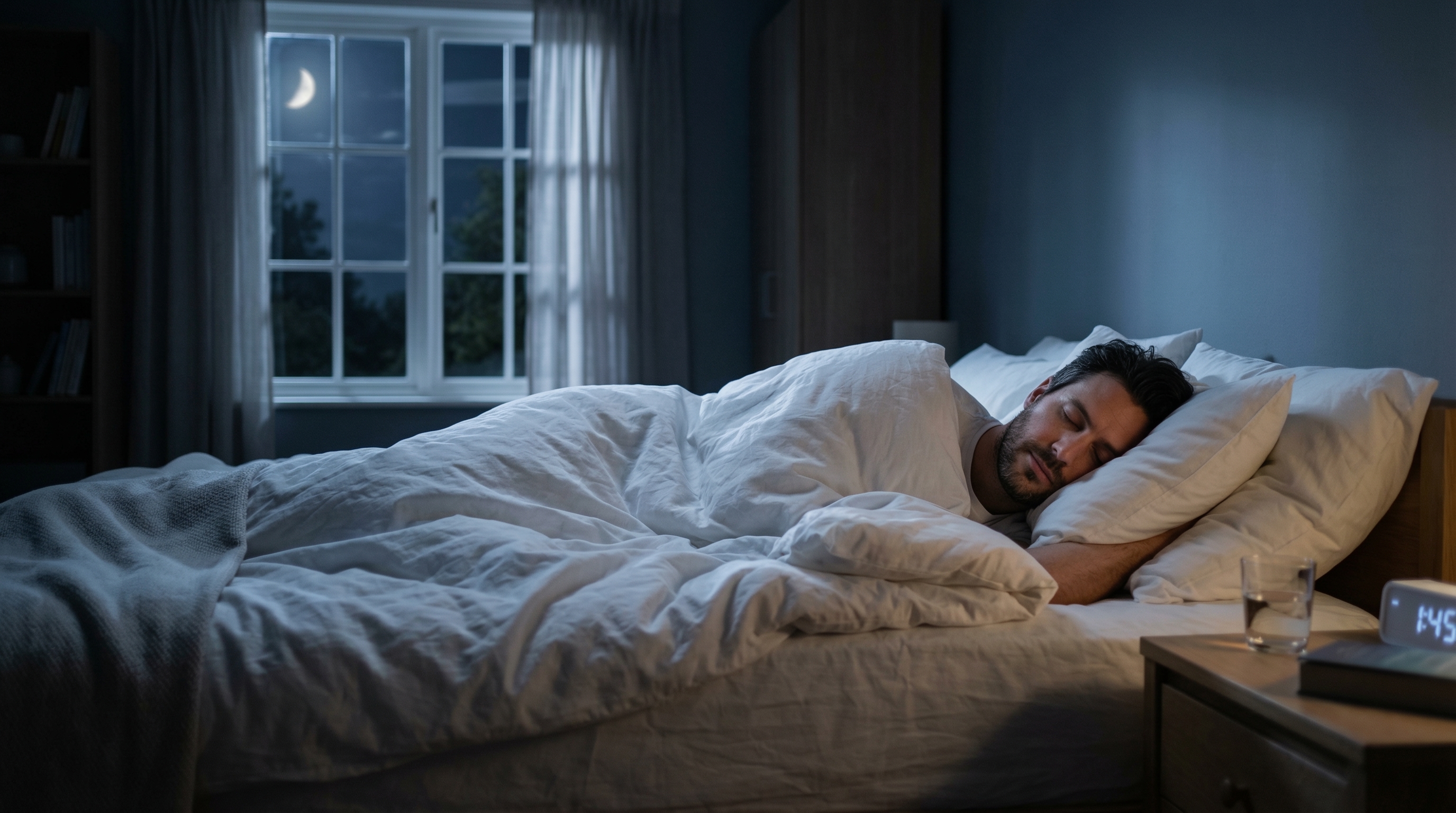
1. Sleep: The Foundation
You cannot have healthy testosterone without quality sleep. Studies show that just one week of 5-hour nights can drop testosterone by 10-15%.
Target: 7-9 hours in a cool, dark room. Same time every night.
2. Stress Management
Chronic stress = chronically elevated cortisol = chronically suppressed testosterone.
Effective strategies:
- Daily walks (20-30 minutes)
- Meditation or breathwork (even 5 minutes helps)
- Limiting caffeine after noon
- Setting boundaries on work hours
3. Exercise (But Not Too Much)
Resistance training boosts testosterone. But overtraining lowers it.
Sweet spot: 3-5 strength sessions per week, 45-60 minutes each. Include compound movements like squats, deadlifts, and presses.
4. Key Nutrients
Your body needs specific nutrients to produce testosterone:
- Zinc: Critical for T production. Oysters, beef, pumpkin seeds.
- Magnesium: Supports free testosterone. Dark chocolate, spinach, nuts.
- Vitamin D: Deficiency linked to low T. Sunlight, fatty fish, supplements.
- B vitamins: Energy and hormone production. Eggs, meat, leafy greens.
5. Adaptogenic Herbs
Some herbs show promise for supporting testosterone and stress response:
Ashwagandha (KSM-66): The most researched form. Studies show:
- 15% average increase in testosterone
- 30% reduction in cortisol
- Improved stress resilience
This is why many quality testosterone supplements include KSM-66 ashwagandha—it addresses both sides of the stress-testosterone cycle.
When to See a Doctor
This article is for information, not diagnosis. You should see a healthcare provider if:
- Symptoms persist despite lifestyle changes
- You have significantly low test results
- Depression is affecting your daily life
- You’re considering hormone therapy
A good doctor will:
- Order comprehensive hormone testing
- Consider underlying causes (thyroid, sleep apnea, medications)
- Discuss all treatment options—not just prescriptions
- Monitor your progress over time
The Bottom Line
Depression and low testosterone share symptoms, causes, and often coexist. If you’re struggling with persistent low mood, fatigue, or anxiety—especially with physical symptoms like muscle loss or belly fat—testosterone deserves investigation.
The fix isn’t always TRT (testosterone replacement therapy). Often, lifestyle changes and targeted supplementation can help restore healthy levels naturally.
But you can’t fix what you don’t measure. Get tested. Know your numbers. Then decide.
Frequently Asked Questions
Can low testosterone cause anxiety attacks?
Research suggests low testosterone can contribute to anxiety symptoms by affecting GABA and amygdala function. Some men report reduced anxiety after addressing low T.
Will testosterone therapy cure depression?
No. Testosterone therapy may help if low T is contributing to depression, but it’s not a standalone cure. Work with a healthcare provider to address all factors.
How long does it take to feel better after starting testosterone support?
With lifestyle changes, most men notice improvements in 4-12 weeks. Supplements like ashwagandha typically show effects within 8 weeks of consistent use.
Can stress alone cause low testosterone?
Yes. Chronic stress elevates cortisol, which directly suppresses testosterone production. Managing stress is essential for hormonal health.
This article is for informational purposes only and does not constitute medical advice. Always consult with a qualified healthcare provider before starting any supplement regimen or making changes to your health routine.